
Proactive Coefficient:35
Protective Coefficient:65

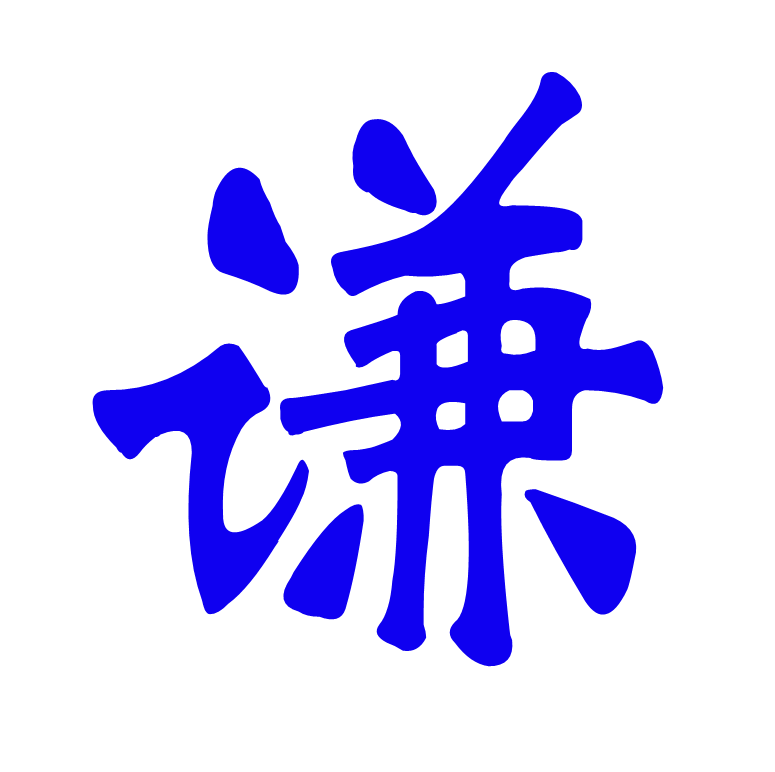
Qiān (Judgment) Qiān: Pervasive success. The noble person has a proper conclusion. Tuàn Commentary (Commentary on the Judgment) “Qiān — Modesty. Success. The Way of Heaven assists from below and shines with clarity; the Way of Earth is lowly yet advances upward. Heaven’s principle subtracts when full, thereby benefiting modesty; Earth’s principle changes when full, thereby flowing modesty; Spirits and deities harm the full but bless the modest; Human beings dislike fullness but appreciate modesty. Modesty is honored and luminous, lowly yet cannot be surpassed— this is the proper conclusion for the noble person.” Xiàng Commentary (Commentary on the Image) “Mountain within the Earth—this is Qiān. The noble person, following this, reduces the surplus to benefit the deficient, measuring and distributing things evenly.”
|

|
Vigorously promote the virtue of humility!
Use a humble character and spirit to engage in a just cause, go to conquer the invading enemy country, march and fight, there will be no fault, because this is upholding justice and justice! Will be successful!

|
|
|
|
Humility is not about blindly, unprincipled, and endless concessions!
It is friendship, care, and wisdom to reach out to neighbors and companions. You are not rich alone, and you are not rich alone!
When you are oppressed or in danger, there are naturally many people willing to help you!
At this time you can use these powers to defeat the enemy! There were no adverse consequences.
If you use the power accumulated by your good qualities of humility and kindness to conquer unyielding enemies, you can achieve success and there will be no adverse results!
|
|
|
|
Learn to be a good helper and humbly assist your boss, colleagues, and even strangers to do good things. There is no harm in doing it!
Learn to abide by the rules and don’t go too far!
Be a good team member and a qualified helper and assistant!
|
|

|
Have a humble character, and be willing to help and serve others. Do things from beginning to end, and be auspicious and have good luck!
Who wouldn’t be convinced by this kind of person who is willing to help others humbly? All the people are convinced!
|
|
|
|
Promote the humble spirit of humility and meekness, good luck!
Good for your inner nature! This is the best mind cultivation!
|
|
|
|
Being strong is not the real king.
Humility is the true king!
People with a humble character can achieve great things: they can benefit from big rivers, and they can resolve risks and achieve good results.
A gentleman should always check whether he always maintains a humble and gentle attitude!
Don’t allow yourself to be arrogant or indifferent to others!
|
|
|

Proactive Coefficient:70
Protective Coefficient:30
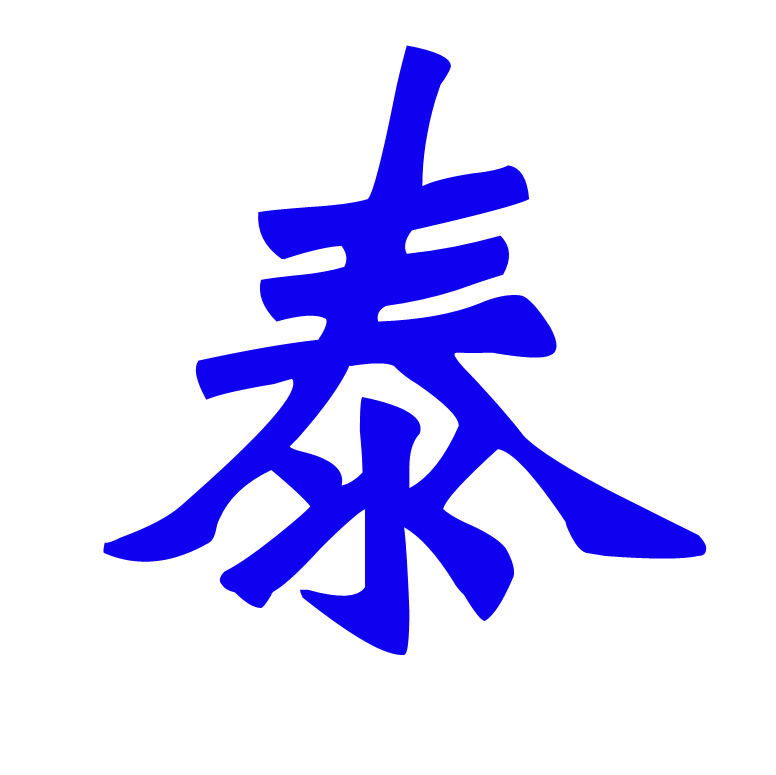
Peace: Signifies tranquility, stability, and prosperity. It advises embracing harmony, maintaining balance, and cultivating a peaceful environment for growth and success. Hexagram Tài – Earth over Heaven (Heaven Below, Earth Above) Kūn above, Qián below Tài (Judgment) Tài: Small departures, great arrivals—auspicious success. Tuàn Commentary (Commentary on the Judgment) “Tài — Peace. ‘Small departures, great arrivals’—this is auspicious and successful. It is when Heaven and Earth interact that all things prosper; when the upper and lower interact, their intentions are aligned. Inner yang, outer yin; inner strength, outer compliance; inner noble person, outer lesser person. The noble person’s Way grows, while the lesser person’s Way declines.” Xiàng Commentary (Commentary on the Image) “Heaven and Earth interact—this is Tài. The ruler, following this principle, completes the Way of Heaven and Earth, supports what is fitting for Heaven and Earth, and thus regulates and aids the people.”
|
|
|
When the city walls and national gates are breached and turned into ruins, what else can be said? It's too late. Are you going to raise another army for revenge? It's no use, it's too late! too late!
At this time, no matter how much I post notices and issue orders everywhere, what's the use? What’s the use of divination when a bad omen has appeared? It’s just bad luck!
The end of good luck! It’s destiny, reflect on it!
Community Verified icon
|
|
|
|
In ancient times, emperors used marriages and marriages to form alliances and show friendship to their countries in order to maintain peace in their families and countries and the tranquility of their country. This is an auspicious practice.
This is in line with the principles of fairness and justice and the aspirations of the people of all parties.
Community Verified icon
|
|
|
|
People who enjoy peace and prosperity cannot be frivolous or arrogant.
You should be kind and honest, so that the people around you and your neighbors can also benefit, gain, and become rich together.
People who are rich should check whether they are trustworthy and let those who have helped them become rich together!
Those who are frivolous and frivolous are not truly wealthy! Because they have lost their roots and are divorced from reality!
Only by guarding your good luck and wealth with integrity can you be satisfied for a long time!
|
|
|
|
Nothing is always smooth sailing!
Encountering some difficulties is natural and there is nothing wrong with it!
Don't worry, it is a blessing to have food to eat, to be able to eat without being hungry, to be beaten, or to be cold!
Between heaven and earth, life is nothing more than repeated and tinkering with things.
|
|
|
|
Open up territory with bare hands, do everything in detail, and not be afraid of difficulties. Even if you take some risks and some companions lose their lives, you will not hesitate!
Make a difference, act fairly and with integrity, and you will eventually turn bad luck into good luck and your career will be prosperous!
|
|
|
|
Team spirit!
It's like the weak thatch roots are connected to the roots to form a team to preserve life and continue to live forever!
Go on an expedition together as a team, or go out to do something, and do a good job, which brings good luck and peace!
|
|
|

天水讼的卦象是乾卦的下面有坎卦,乾卦象征天空,坎卦象征潜在的危险,天水讼的卦象是天下有险。
人生在世总有纠纷和意外,所以每一个人在日常生活中都要保持警醒,要与人为善,谦和、友好,如此就可以避免和人发生争执和麻烦。
占得此卦之人,将会逢凶化吉,如果能够维护良好的个人信用,保持正直、友善,心思慎密,平时多多结交有能力、有地位的朋友,近期尽量不要采取有潜在危险的重大行动。做任何重要事情之前都要制定详细、可行的方案计划。
我们一起来探讨《易经》第6卦——讼卦。讼卦是一个充满启发性的卦象,它涉及到纠纷、争执与冲突的处理方式。讼卦为我们提供了如何在纷争中保持清明,如何明辨是非、恰当行动的智慧。下面是详细分析和应用指导。
一、卦象结构与基本信息
卦名:讼(sòng),意味着争执、诉讼、争斗。
卦象:天水讼(上卦☰乾为天,下卦☵坎为水)
上卦乾代表天,象征阳刚与力量;
下卦坎代表水,象征阴柔与危险。
天水之象,天上有水,水流而下,这表示“争执”中的力量不平衡,必然会带来困扰和伤害。
二、卦辞解析
「讼:有孚,窒惕,中吉,终凶。」
✦ 解读:
有孚:有信,表明有正当的理由或正义支持;
窒惕:提醒小心,提醒需要谨慎行事,避免过度冲突;
中吉:适当处理有吉,局势适度时可以迎来正面结果;
终凶:但若过度争执,不妥协,最终结果可能是凶险的。
📌 核心含义:讼卦提醒我们,争执之事若处理得当,有时可以获得正当胜利。但若失去理性、过度争斗,最终只会带来灾难。
三、象辞解析
「天下水,讼;君子以作事谋始。」
天下水,讼:象征水流、纷争不断。天上有水,水下有流,表明不断有纷争存在;
君子以作事谋始:有争执时,君子应审时度势、谋定而动,采取适当的策略。
📌 核心智慧:当面临纷争时,冷静谋划、选择最佳时机,而不是急于行动。
四、讼卦的核心智慧
✅ 1. 在冲突中保持冷静,避免情绪化反应
讼卦教导我们面对纷争时要保持冷静,不被情绪左右,尤其在争执初起时要保持理智、克制冲动。
君子与小人之别,正是在于能否理性判断局势,而不是一味的情绪化、冲动行为。
✅ 2. 不轻易争斗,保持耐心
讼卦中的“窒惕”表明争执的过程中需要高度警惕和谨慎。在冲突时,勿急于求胜,保持耐心,待时而动。
✅ 3. 适时妥协,避免过度对抗
争斗的过程需要分寸。有时适度的妥协能够化解矛盾,带来更多的和谐;而一味的对抗只会加剧冲突。
在争执中,最重要的原则是清楚自己的立场,维护正当利益,但不至于过度攻讦、拖延不决。
✅ 4. 以理服人,避免硬碰硬
讼卦提醒我们,在纠纷或诉讼中,以理服人比以力服人更为重要。硬碰硬的方式往往导致事态复杂化,反而损害自身利益。
五、讼卦在实际生活中的应用
🧘 1. 在内心冲突中:静心自审,避免过度自责
内心争执与外部冲突一样,亦需要冷静和理性。面对自我内心的对立、焦虑与疑虑时,要做到“不急躁、不偏激”。
讼卦教导我们在内心挣扎时,不妄自论断,保持清醒,理性思考自我调整的最佳方案。
💡 建议:
定期反思自己是否陷入过度争论,是否太过执着某些问题;
练习冥想、静心,化解内心的不安与不和谐。
🏢 2. 在职场中:面对竞争与争执时,保持高远眼光
📌 讼卦特别适用于职场中面对竞争、对立、利益冲突的情况。
当遇到职场中的争议或竞争时,要避免硬碰硬的直接对抗,避免被卷入无谓的权力斗争。
冷静应对、分清主次,必要时可以采取妥协的策略,避免让争斗升级。
💼 应用建议:
面对上司或同事的冲突时,采取温和而坚定的方式解决,不与人争高下;
职场中,保持尊重与合作精神,而非敌对与对抗。
👥 3. 在人际关系中:辨别正邪,理性解决误会
📌 人际关系中的争执往往源于误会、矛盾和不同的利益需求。
识别自己的正当立场,但同时要保持理智,不让矛盾升温;
在与朋友、亲人、伴侣的关系中,避免因为小事争执过度,要学会通过对话解决问题,适时妥协是明智的选择。
💡 提醒:
不要让小小的误解引发大的争端;
积极倾听他人观点,保持开放心态。
🏛 4. 在法律与社会争议中:公正理性,谨慎行事
📌 在法律和社会争议中,讼卦的智慧尤为重要:
不要轻易参与无谓的争讼,理性应对法律诉讼、社会争议;
争执中要保持公正、证据清晰,避免过度纠缠不清。
💼 应用建议:
确保自己的行动是有理有据的,不要受情绪或外界压力的驱使;
保持道德底线和法律框架内的行动,不做出过激行为。
六、讼卦的金句智慧
🌱 “讼者,不得已而争。” —— 决不轻易争执,理智应对
🔑 “以理服人,不以力。” —— 理性胜于力的原则
💬 “不轻争,不妄动。” —— 遇事不急,思虑清明
🔄 “胜者不争,败者不怒。” —— 胜败乃常事,平和以待之
七、讼卦的行动策略清单
类别 行动策略
心理调整 保持理智,不让情绪驱使自己的行为
决策方式 明辨是非,不轻易做出反应,择时而动
人际互动 采用沟通、妥协的方式解决分歧,不以硬碰硬解决
职场策略 避免参与职场冲突,用理智和策略应对竞争
社会参与 参与社会活动时,注意公平、公正,避免过度对抗
八、总结:讼卦的智慧
讼卦的核心智慧是:争执必有其时,但争斗不应为常态。当我们面对冲突时,应该保持理性,明辨是非,适度妥协。不要因小失大,更不要让冲突成为自我陷阱。真正的智慧,是在复杂的环境中能够保持冷静与清醒,在纷争中寻得合适的解决方式。
“非理性争斗,最终只会带来损失。”
Conflict: Signifies disputes and contention. It suggests seeking mediation, maintaining integrity, and resolving conflicts through diplomacy and compromise.
Hexagram 6 – Sòng (Conflict / Litigation / Dispute)
Heaven over Water — Qián above Kǎn
Judgment
Sòng: With sincerity, proceed cautiously.
Moderate success in the middle.
In the end, misfortune.
Favorable to see great persons.
Not favorable to cross the great river.
Commentary on the Judgment (Tuàn)
Sòng arises when the firm is above and danger below; danger yet strength—this is Conflict.
With sincerity, proceeding cautiously brings moderate success—the firm attains the center.
In the end, misfortune occurs—conflict cannot be fully resolved.
Favorable to see great persons—this maintains correctness and fairness.
Not favorable to cross the great river—one would enter a dangerous situation.
Commentary on the Image (Xiàng)
“Heaven and water move in opposing directions”—this is Conflict.
The noble one, seeing this,
plans carefully before taking action.
The hexagram of Tianshui Yi is that there is a Kan hexagram under the Qian hexagram. The Qian hexagram symbolizes the sky, and the Kan hexagram symbolizes potential danger. The hexagram of Tianshui Yi is that there is danger in the world.
There are always disputes and accidents in life, so everyone should stay alert in daily life, be kind to others, be modest and friendly, so as to avoid disputes and troubles with others.
Those who occupy this hexagram will turn bad luck into good fortune. If they can maintain good personal credit, maintain integrity, friendliness, and careful thinking, make more friends with ability and status, and try not to take potentially dangerous actions in the near future. Major action. Before doing anything important, make a detailed and feasible plan.
尽量与人为善,最好息事宁人。
待到起了纠纷,要打官司,说明已经失去控制,无能为力,靠自己已经无法化解矛盾:不永所事。
或有怨言,或有委屈,只要自身行正、理直,终归会化解纠纷,吉祥如意。
应该以息事宁人的态度,化解纠纷,不可欺压弱小,仗势欺人。
相信公道、正义自在人心,通过摆事实、讲道理解决问题。
待到打起官司,如果不占理,最好早一点认输,早一点赔偿。以免事情一发不可收,受到更大的惩罚。
有自知之明,不敢无理取闹、仗势欺人,如此这样,就不会连累和自己有关的亲人、同伙,大家都有好处。
非万不得已,不到迫不得已,不要以下讼上!
无理讼上,以下犯上,祸患接踵而至,自取其辱!
一个人以前做过许多好事,或者家族名声很好,祖辈积了大德。这种人如果犯了官司,虽然案情严重,但是有可能逢凶化吉。因为官家或相关的人,会对他网开一面,给与宽恕。
人生在世,一定要多做善事,积累仁德。这样到自己遇到麻烦或者困难,甚至遭到官司缠身之时,就会容易得到宽恕,逢凶化吉。
不能赢得官司,最好认命。
客观反思自己的过错,不可强词夺理,最好安身立命,改变自己,与人为善,吉祥!
安于现状,与人为善,和善待人,没有损失。
官府断案,明镜高悬,了断是非,本来是好的,吉祥的事情。
官府审理诉讼案件是要惩恶扬善,保证正义、公理常在。
民众必须遵纪守法,相安无事。通过法律来保障国泰民安,好人有保护,坏人受惩罚。
对于享有大福报之人,乃至权势熏天的达官贵人,如果他们不能秉公断案,为民做主,事发之时,就会受到应有的惩罚。
贪官、坏官犯法,一天之内被三次降职,甚至革职查办,剥夺以前获得的所有权利和利益!
官员通过妄断官司,贪赃枉法,以获得利益,必有严惩。
以讼受福,是一件非常可耻、可恶之事!
Try to be kind to others, and it is best to make peace with others.
When a dispute arises and a lawsuit is filed, it means that you have lost control and are powerless. You can no longer resolve the conflict by yourself: you will never do anything.
Whether you have complaints or grievances, as long as you act righteously and rationally, the dispute will eventually be resolved and everything will go well.
Disputes should be resolved with a calm attitude, and one should not bully the weak or use power to bully others.
Believe that fairness and justice are in the heart of the people, and solve problems by presenting facts and reasoning.
When a lawsuit comes, if you don't take the case, it's better to admit defeat and pay compensation earlier. To prevent things from getting out of hand and being punished even more.
Be self-aware and dare not make unreasonable troubles or bully others. In this way, your relatives and accomplices related to you will not be harmed, and everyone will benefit.
Don't file a lawsuit unless it's absolutely necessary!
If you sue unreasonably and commit the following offenses, disasters will follow one after another, and you will bring shame on yourself!
A person has done many good deeds in the past, or his family has a good reputation and his ancestors have accumulated great virtues. If such a person commits a lawsuit, even though the case is serious, he may be able to turn the crime into good fortune. Because officials or related people will show mercy and forgive him.
In life, you must do more good deeds and accumulate kindness. In this way, when you encounter trouble or difficulty, or even get involved in a lawsuit, you will be easily forgiven and turn danger into good fortune.
If you can't win the case, it's better to accept your fate.
Objectively reflect on your own mistakes, don't force your reasoning, it's better to settle down, change yourself, be kind to others, and have good luck!
Be content with the status quo, be kind to others, treat others kindly, and there will be no loss.
It is a good and auspicious thing for the government to resolve the case, and the mirror is high, and the right and wrong are settled.
The purpose of the government's hearing of litigation cases is to punish evil and promote good, and to ensure that justice and justice are always maintained.
People must abide by the law and live in peace. The law is adopted to ensure the peace and prosperity of the country and the people. Good people are protected and bad people are punished.
For those who enjoy great blessings, and even powerful officials, if they cannot judge cases impartially and make decisions for the people, they will be punished accordingly when the incident occurs.
Corrupt or bad officials who break the law will be demoted three times in one day, or even dismissed and investigated, and will be deprived of all rights and benefits they have obtained before!
Officials who obtain benefits through arbitrary judgments in lawsuits, corruption and bending of the law must be severely punished.
It is a very shameful and abominable thing to get a favor through litigation!
讼卦(天水讼)是《易经》中的第六卦,象征着冲突、争执和诉讼。卦象由天(☰)在上,水(☵)在下组成,表示天高水低,代表着一个矛盾对立的局面。讼卦的智慧不仅关注冲突本身,更强调如何通过理性、审时度势和智慧化解冲突,最终恢复和谐。因此,讼卦提供的智慧和策略可以帮助我们在爱情和婚姻中处理冲突,保持关系的稳定和发展。
1. 讼卦的核心智慧
讼卦的核心智慧是:在面对冲突时,应该保持冷静、理性,避免情绪化反应,并通过智慧和合适的方式解决争执。这不仅是解决表面问题,更重要的是理解冲突背后的深层次原因,采取建设性的措施,使关系得以改善。
关键要素:
冲突是正常的:爱情和婚姻中的争执并非坏事,而是两个人在成长和互动中不可避免的一部分。讼卦并不否定冲突的存在,而是教我们如何理性应对。
理性和智慧:在冲突发生时,不应陷入情绪的漩涡,而是要冷静思考,理解争执的根本原因,并寻求合适的解决方式。
审时度势:面对冲突时,要根据具体情况做出适当反应,避免盲目行动。
2. 讼卦在爱情和婚姻中的应用
✅ 1. 开始爱情:建立沟通基础,避免过早的冲突
在爱情的初期,双方对彼此的了解较少,容易因为小事产生误解或争执。讼卦教导我们,在爱情的开始阶段要更多地建立沟通基础,避免过早因争执而伤害感情。
🌿 实践建议:
倾听与理解:在初期建立沟通时,不要急于提出自己的看法,而是要耐心听取对方的想法和感受,确保双方建立起良好的沟通习惯。
避免过度分析和批评:初期的爱情应避免过早对彼此进行评判或批评,而是要尊重彼此的差异,建立信任。
✅ 2. 维持爱情:理性应对争执,寻求解决方案
随着爱情关系的发展,双方会面临更多的分歧和冲突。讼卦提醒我们,在此阶段应理性应对争执,避免情绪化的反应,寻找双方都能接受的解决方案。
🌿 实践建议:
冷静分析问题:当争执发生时,尽量冷静下来,分析问题的核心所在,了解对方的需求,而不是单纯从自己的立场出发。
避免指责,寻求共识:争执时,避免互相指责或责怪,而是要通过建设性的沟通,寻求一个双方都能接受的解决方案。
✅ 3. 改善爱情:化解矛盾,避免积压问题
在长期关系中,某些矛盾可能因没有及时处理而积压成更大的问题。讼卦提醒我们,解决冲突时要及时处理,避免问题积压,影响双方的感情。
🌿 实践建议:
及时沟通:当出现问题时,不要拖延或忽视,而是要及时沟通,找出问题的根源并共同商讨解决方案。
化解深层次矛盾:有些问题可能是深层次的情感需求或价值观差异,双方需要通过更深层次的沟通,找出并化解这些矛盾。
✅ 4. 改进婚姻:解决深层矛盾,增强理解与信任
在婚姻中,长时间的相处可能导致一些长期的矛盾积累,讼卦提醒我们,这时不仅要关注表面的问题,更要通过智慧和理解,解决深层次的矛盾,以增强彼此的信任和感情。
🌿 实践建议:
深度理解与包容:在婚姻中,尤其是遇到深层次的矛盾时,需要通过深度的理解和包容来处理问题。双方要学会从对方的角度看问题,而不是固守自己的立场。
寻求共识与妥协:当矛盾无法完全解决时,婚姻中的妥协与共识非常重要。通过达成双方的共同接受点,可以避免更多的冲突与矛盾。
3. 讼卦的总结应用
阶段 智慧应用
开始爱情 建立信任与沟通基础,避免过早的冲突,倾听和理解对方。
维持爱情 理性面对争执,分析问题根源,避免情绪化反应,寻求共识。
改善爱情 及时解决问题,避免矛盾积压,深度沟通,化解内心矛盾。
改进婚姻 深层次理解与包容,增强双方信任,妥协与共识解决深层矛盾。
4. 结语
讼卦的智慧告诉我们,爱情和婚姻中的冲突和争执是不可避免的,但重要的是我们如何应对这些冲突。通过理性、智慧和建设性的沟通,可以有效化解矛盾并保持关系的和谐。要记住,冲突并非关系的终结,而是可以通过成熟和理性解决的契机。
讼卦(卦象:天水讼)是《易经》中的第6卦,象征着冲突、争执与诉讼。其卦象由上卦天(乾)和下卦水(坎)组成,象征着天与水之间的对立,暗示着冲突和对抗的局面。讼卦的核心思想在于,通过正当的方式解决争执,并强调理性、慎重、正直的处理问题的态度。
在家庭教育、亲子关系及子女培养方面,讼卦的智慧为我们提供了关于如何应对冲突和争执、如何通过沟通与理智化解分歧的策略。它提醒父母在面对子女教育和家庭纷争时,需谨慎处理,既要理解冲突的根源,又要保持冷静与智慧,以达成和谐共处的目标。
讼卦的卦象与核心智慧
卦象:上卦为天(乾),下卦为水(坎)。天代表力量、权威,而水则代表流动、变化。两者的对立象征着冲突和争执,而讼卦提醒我们,冲突和争议不可避免,但关键在于如何通过智慧化解。
卦辞: “讼,元亨,利贞,悔亡。” 这句卦辞的意思是,在面临争执时,只要采取正当的方法和理性处理,最终可以获得成功并避免后悔。其核心智慧是,在冲突中应保持理智和原则,采取正当途径解决问题。
讼卦在亲子教育中的智慧与应用
1. 教导孩子理性解决冲突
讼卦强调冲突和争执时要冷静、理性地应对。在家庭教育中,父母应帮助孩子学会处理冲突的方式,避免情绪化反应。
✅ 实践方法:
当孩子与兄弟姐妹或其他家庭成员发生争执时,父母可以通过冷静的方式引导孩子表达自己的观点,教导孩子通过沟通而不是争吵来解决问题。
父母可以进行角色扮演的方式,与孩子一起模拟不同的冲突情景,帮助孩子找到理性应对冲突的策略。
⚡️ 通过冷静理性地应对争执,孩子能够学会在面对矛盾时保持镇定,并通过有效的沟通化解冲突。
2. 鼓励正当途径解决问题
讼卦告诫我们,在争斗和冲突中,不应采取极端手段,而是要通过合理合法的途径来化解对立。父母在教育孩子时,应强调“正道”与“公正”的重要性,帮助孩子树立正义感和责任感。
✅ 实践方法:
教导孩子遵守家庭规则,培养他们尊重他人的感受和意见。在孩子遇到冲突时,引导他们通过合理的方式向父母或老师寻求帮助,而不是通过极端手段解决问题。
父母应通过自身的行为示范,强调通过和平、理性和公正的方式来解决问题,而非暴力或偏见。
🌱 通过教育孩子遵循正道和合理途径,父母能够帮助孩子建立正直、负责任的品格。
3. 注重自我反省与责任感
讼卦的智慧还在于,面对争执时,应从自身的行为中进行反思,并承担相应的责任。在亲子教育中,父母应鼓励孩子面对自己的错误并进行自我修正。
✅ 实践方法:
当孩子犯错误或与他人发生冲突时,父母应帮助他们进行自我反省,引导孩子理解问题发生的根源,思考自己能做得更好的地方。
父母可以通过定期的亲子交流,帮助孩子认识到每个人在冲突中的角色,培养他们承担责任的能力。
⚡️ 通过自我反省和承担责任,孩子能够更加成熟,学会为自己的行为负责,减少冲突带来的负面影响。
4. 培养和谐的家庭环境
讼卦虽然以冲突为主题,但也暗示了冲突解决后的平衡与和谐。在家庭教育中,父母应积极创造一个和谐的家庭氛围,减少不必要的争执,使孩子在良好的家庭环境中成长。
✅ 实践方法:
定期安排家庭会议或亲子时间,让每个家庭成员都有表达自己想法的机会,避免矛盾的积累。
在家庭中营造宽松的氛围,父母要避免过多的指责和批评,注重鼓励和理解。
🌱 通过营造和谐的家庭氛围,孩子在成长过程中能够感受到温暖和支持,减少与家人之间的矛盾和冲突。
5. 面对冲突时应学会退让
讼卦中的“利贞”提醒我们,在冲突中有时需要采取适当的退让策略,避免争执过度发展。在教育孩子时,父母应教导孩子学会在合适的时机退一步,避免冲突升级。
✅ 实践方法:
父母可以教导孩子在面对争执时,学会适当的妥协和退让,特别是在与同伴或兄弟姐妹的互动中,学会调整自己的立场,避免不必要的冲突。
父母可以通过“退一步海阔天空”的理念,帮助孩子理解退让并不代表软弱,而是智慧的选择。
⚡️ 通过学会适当退让,孩子能够在冲突中保持灵活性,避免无谓的争斗,并促进家庭和谐。
讼卦在亲子教育中的总结应用
讼卦的核心智慧 亲子教育的应用
理性冷静应对冲突 教导孩子冷静处理争执,避免情绪化反应,通过沟通解决问题。
正当途径解决争议 强调通过合理、合法的途径解决冲突,树立孩子的正义感和责任感。
自我反省与责任感 鼓励孩子反思自身行为,承担责任,并从错误中学习。
营造和谐家庭氛围 创造和谐、支持的家庭环境,减少不必要的争执,增强家庭成员间的理解。
适当退让与妥协 教导孩子学会在适当时机退让,避免冲突升级,促进和谐关系。
总结:
讼卦的智慧告诉我们,冲突和争执是不可避免的,但我们可以通过冷静、理性和正当的途径解决问题。在亲子教育中,父母应当引导孩子通过正当的方式应对冲突,培养他们的责任感、自我反省能力,以及理性沟通的能力,从而在未来的生活中更加成熟、理智,能够处理复杂的社会关系和人际冲突。
讼卦(第6卦),卦象为天水讼,象征着冲突、争议、对抗和分歧。讼卦提醒我们,冲突不可避免,但如何应对和解决冲突,最终决定了结果的走向。在职场中,讼卦的智慧可以帮助我们更好地处理分歧、解决争端,同时促进事业发展和人际关系的和谐。
讼卦的卦象与含义
上卦乾(天):象征力量、主动、刚性和创立。
下卦坎(水):象征阻力、困境、挑战和不易突破的障碍。
这两者的对立象征着在面对冲突或困难时,如何在阻力与进攻之间找到合适的应对策略。讼卦告诉我们,当冲突发生时,决不能简单地以对抗为目的,而应通过理性、智慧的方式化解冲突,达到和谐共处、促进发展的目标。
讼卦的职场应用
1️⃣ 冷静应对冲突,避免情绪化
讼卦教导我们在冲突面前要保持冷静,避免情绪化反应。职场中,面对同事或领导的不同意见或行为时,情绪化的反应往往会加剧冲突,甚至带来负面后果。讼卦强调通过理智应对冲突,才能有效地化解争议,保持个人和团队的稳定。
🎯 应用策略:
情绪管理:在与领导或同事发生分歧时,首先要学会控制情绪,避免情绪失控导致不必要的争执。可以通过深呼吸、冷静反思等方法,确保自己始终理智地应对问题。
理性沟通:在沟通中避免情绪化和过度对抗,始终坚持事实和逻辑。通过提出数据和案例,支持自己的观点,同时也要耐心听取对方的意见和建议。
2️⃣ 明确冲突的根源,找到解决方案
冲突往往是由深层次的问题引发的,而不仅仅是表面现象。讼卦提醒我们要透过现象看本质,找出冲突的根本原因,并采取适当的措施加以解决。职场中的冲突可能源于工作目标不一致、沟通不畅、资源分配不公等问题。
🎯 应用策略:
深度分析问题:当出现职场冲突时,不要急于作出反应,而是要花时间分析冲突的根源。例如,是否是因为工作目标不一致,还是因为沟通不畅?找出问题的本质,才能有针对性地提出解决方案。
提出系统性解决方案:针对问题的根源,制定解决方案。例如,若问题在于沟通不畅,可以考虑建立更加透明和高效的沟通机制;若是目标不一致,可以通过明确目标、协调资源来解决。
3️⃣ 避免无谓的争斗,寻求合适的妥协
讼卦提醒我们,过度的争斗不仅无益,还会让双方都陷入困境。过于激烈的冲突会破坏关系,消耗时间和资源。讼卦的智慧之一是在必要时进行妥协,达成一种双方都能接受的解决方案。
🎯 应用策略:
寻求共识:在与领导和同事的互动中,学会寻求共识而非一味争执。通过协调各方利益,找出一个平衡点,实现双赢。
适时妥协:在面对一些无关紧要的分歧时,学会适时妥协,避免将冲突升级到不可收拾的地步。妥协并不意味着妥协自己的底线,而是确保大局的稳定和团队的协作。
4️⃣ 保持开放的心态,学习与他人合作
讼卦的另一重要教训是学习如何与他人合作,即使在面对对立时。职场中的每个冲突背后,往往都有机会通过合作找到解决的办法。在冲突中学会与对方协作,既能够解决问题,也有助于建立更深层次的信任。
🎯 应用策略:
与领导合作:当与领导存在意见分歧时,保持开放的心态,主动与领导沟通,理解领导的决策意图,并提出可行的解决方案,展现合作精神。
与同事协作:在团队合作中,面对不同的意见和方法时,学会主动寻找妥协点,共同为团队目标而努力,而不是固守自己的立场。通过相互支持和协作,可以化解许多潜在的冲突。
5️⃣ 强化自身的表达能力和谈判技巧
讼卦强调沟通和表达的重要性。职场中的许多冲突可以通过有效的表达和谈判技巧化解。在面对冲突时,清晰且有条理地表达自己的观点,能帮助对方理解你的立场,并减少误解和冲突的升级。
🎯 应用策略:
提升表达能力:通过演讲、写作等方式提高自己的表达能力。清晰地阐述自己的观点,能够增强沟通效果,减少冲突的发生。
培养谈判技巧:在面对职场冲突时,适当运用谈判技巧,使双方达成一个能够接受的折中方案,避免硬碰硬的对抗。
总结
讼卦的智慧在于通过理性处理冲突、明确根源、适时妥协和合作,从而有效地应对职场中的分歧和挑战。职场中的争议和冲突是不可避免的,关键在于如何通过智慧和策略,避免冲突加剧,并最终实现个人事业的提升与团队协作的和谐。
《易经》中的讼卦(第6卦)由天(乾)和水(坎)组成,卦象表示天在上,水在下,象征着争斗和对抗。讼卦的核心意义是争讼、纷争,代表事物在一个紧张、对立的状态中,强调在争斗或冲突中的法律或规则的遵循。讼卦的启示是:当遇到争议时,应保持冷静、理性,审时度势,选择合适的时机采取行动。
在理财与投资中,讼卦不仅指示我们如何处理对立和冲突,还提醒我们在面对竞争激烈或市场风险时,要有策略和智慧,避免激烈对抗,采取合法和理性的手段,化解冲突,达成自己的财务目标。
讼卦的核心智慧
保持冷静,不盲目冲动:讼卦提醒我们在遇到争议、纠纷或市场竞争时,要保持冷静,不因冲动做出决定。特别是在投资中,要理性分析市场变化,避免因市场波动而做出过激决策。
遵守规则,理性应对:讼卦强调“法则”的重要性,在争议中理应依据规则解决问题,而非凭情绪行事。在理财中,我们应遵循市场规律和理性原则,合理规划资产和投资。
合理分配资源,避免不必要的对抗:在家庭理财和公司理财中,避免将过多的资源投入到无意义的争斗或过于激烈的市场竞争中,应该分配资源进行有意义的、能够带来长远收益的投资。
审时度势,择机而动:讼卦告诫我们在对抗中,理应择时而动,寻找合适的机会,避免盲目硬碰硬。
讼卦在家庭与企业理财中的应用
1️⃣ 家庭理财:冷静应对纠纷,合理规划
家庭理财中,讼卦的智慧提醒我们当遇到财务冲突或家庭成员意见不合时,应理性沟通、遵循规则,而不是情绪化地处理问题。避免无谓的对抗,注重长远规划。
具体应用策略:
建立明确的财务计划与规则:家庭成员之间应建立明确的财务规划与分配规则,避免因金钱问题引发不必要的争议或冲突。
解决家庭财务纠纷:如果家庭成员之间存在财务纷争,可以通过沟通与协商的方式解决,而不是硬性对抗。
投资策略中保持理性:面对经济环境变化或市场竞争时,家庭理财应保持冷静和理性,避免因盲目跟风或投机而增加风险。
2️⃣ 企业理财:法律与规章的遵守,减少风险
在企业理财中,讼卦的智慧提醒我们在遇到竞争或法律纠纷时,应根据法律和公司规章行事,避免因过激行为或决策引发企业内部或外部的对抗和冲突。
具体应用策略:
遵守法律法规,减少风险:企业应确保所有操作都符合行业规范和法律法规,减少因违反规定而引发的财务纠纷或法律诉讼。
理性应对竞争:在面对激烈的市场竞争时,企业应理性评估竞争形势,不必采取过激手段进行市场争夺,而是通过提升产品或服务质量、创新和差异化来提升竞争力。
解决企业内部纠纷:企业内部出现争议时,应通过理性沟通和合理的制度安排进行解决,而不是依靠冲突或对抗来解决问题。
3️⃣ 投资策略:避免激烈对抗,理性决策
在投资领域,讼卦提醒投资者应避免在市场动荡时进行冲动的对抗性投资,而是要理性审视市场的机会和风险,做出科学决策。
具体应用策略:
遵循投资原则,理性分析市场:在面对市场波动或竞争时,不应被短期的市场情绪所左右,而是要根据基本面和长期趋势做出投资决策。
避免盲目跟风或与市场对抗:投资者应避免盲目跟风或与市场主流趋势对抗,选择适合自己投资策略的标的,并坚持长期持有。
风险管理与分散投资:在面对不确定的市场环境时,要做好风险管理,通过分散投资来降低单一投资的风险。
讼卦的六爻与理财应用
爻位 爻辞 理财启示
初六 不永所事,小有言,终吉。 在理财中,初期的小冲突和不满如果及时化解,不仅不会造成大的损失,反而能带来吉利的结果。
九二 讼,征凶,利贞。 在理财投资中,若遇到纠纷或市场波动,应保持坚定的态度,遵循长期理性策略,最终有望获得正面回报。
六三 讼,见群,利贞。 在遇到外部冲突或竞争时,应保持冷静,与相关方协调合作,寻求共同利益,避免过度冲突。
六四 讼,有马,得中。 在面对投资风险或市场不确定性时,合理规划资金流动和投资项目,寻找到适合的机会,以避免不必要的风险。
九五 讼,君子得尚,小人得半。 在理财中,要审时度势,做出高效合理的决策,而不是盲目行动,正确的策略能够帮助实现资产增长。
上九 讼,决不利。 投资者应避免盲目冲突或过度冒险,避免过度投入而导致大规模的损失。
讼卦的理财策略总结
讼卦智慧 理财应用
冷静应对纠纷,遵循规则 理财过程中应避免情绪化决策,遵循理性规则,理智应对冲突与争议。
避免激烈对抗,寻求合作 在投资和市场竞争中,应寻找合作和共同发展,避免过度激烈的市场对抗。
合理规划资源,避免无谓浪费 在理财中,避免资源浪费,应合理分配和投资,实现资产的有效增值。
审时度势,择机而动 在面对市场变动时,保持冷静,审时度势,选择适当时机采取行动。
结语:讼卦与理财的启示
讼卦的智慧提醒我们,在理财与投资过程中,面对竞争、冲突或法律纠纷时,应始终保持冷静、理性,遵循规则,不盲目冲动。合理规划资源、顺应市场趋势,避免激烈对抗,是实现资产长期稳定增长的关键。同时,讼卦强调了在冲突中寻求平衡和合作的重要性,而非一味的争斗和对抗。
《易经·讼卦》是《易经》中的第6卦,其卦象为天水讼,外卦为天,内卦为水。讼卦的主题是诉讼、争执,其主要涵义是指在一定条件下,冲突和争议不可避免,而正确的应对方式是理智而公正地解决问题。讼卦中蕴含的智慧不仅适用于处理人际冲突,也为我们在健康管理、心理保健、长寿策略等方面提供了宝贵的启示。
讼卦的智慧概述
天上水下:天象征着理性、刚强、清明,而水象征着柔顺、适应、包容。在讼卦中,水和天的相对布局提醒我们,在面对冲突或问题时,要有理智、清明的心态,同时保持柔和、适应的姿态。
诉讼和冲突:讼卦提示我们,在冲突面前,最重要的不是争强好胜,而是找到合适的方式来解决分歧。理智、适当的反应能够有效避免冲突带来的负面影响。
如何应用讼卦的智慧来增进身体健康
1. 保持心理的理性与冷静
讼卦提醒我们,在面对生活中的冲突和挑战时,应该保持清晰的理性,而非激动和冲动。在健康管理中,过度焦虑或情绪波动会直接影响免疫系统和身体机能。因此,培养理性和冷静的心态,有助于身体健康。
应用策略:
情绪管理:学会冷静地处理压力和情绪,避免过度焦虑。可以通过冥想、深呼吸、瑜伽等方法来调节情绪,帮助保持内心的平和。
避免情绪激烈波动:情绪的剧烈波动会影响身体健康,尤其是心血管和消化系统。因此,日常中应学会避免激烈的情绪反应。
2. 理智对待健康问题,避免盲目治疗
讼卦强调理智与公正。在健康方面,讼卦的智慧在于合理、谨慎地应对身体出现的问题。面对疾病和健康问题时,应保持理性和清晰的判断,避免盲目跟风或冲动的决定。
应用策略:
寻求专业帮助:在出现身体不适时,应理智地寻求专业医生的帮助,而不是自行诊断或盲目使用未经证实的药物或疗法。
选择科学有效的治疗方法:对于慢性疾病或不适,应选择循序渐进的治疗方法,避免过度治疗或依赖不科学的偏方。
3. 平衡刚柔,避免过度劳累
讼卦中的天与水的组合告诉我们,刚与柔需要相互配合。在健康管理中,过度的强度和劳累会对身体造成损害,而过度的懒散和不作为则会导致身体退化。因此,保持刚柔并济,是增强健康、精力充沛的关键。
应用策略:
保持适度运动:适量的运动既能增强体力,又能避免因过度运动造成的损伤。选择适合自己体质的运动方式,如散步、游泳或轻量的力量训练。
休息与工作平衡:保持适当的工作与休息比例,不要让工作压力过大,给自己充分的休息时间以恢复体力。
4. 调整生活方式,避免过度的自我对抗
讼卦提示我们,在冲突面前不应过度对抗。在生活方式的选择上,也不应过度对抗自己的自然需求。过度节制、过度自律、过度剥夺身体需要的东西,最终会适得其反。因此,健康的生活应当是合理平衡的结果。
应用策略:
均衡饮食:保持均衡的饮食,避免过度节食或暴饮暴食。可以根据季节和身体需要调整饮食结构,确保身体获得足够的营养支持。
规律作息:保证充足的睡眠,避免熬夜。睡眠质量直接影响身体的恢复与免疫力。
5. 正确处理心理冲突,促进身心健康
在心理健康方面,讼卦的智慧提醒我们,冲突不仅仅是外部的争斗,内心的冲突同样需要处理。不断内心矛盾、焦虑和压力会导致心理健康问题,进而影响身体健康。我们应理性面对内心的困扰,解决心理上的“争执”,从而维护身心的和谐。
应用策略:
心理调适:面对心理困扰或压力时,可以通过心理咨询、情绪管理、放松训练等方式来调节。
建立积极心态:培养积极的心态和生活方式,学会接受和适应生活中的各种压力,而不是与之对抗。
总结
《易经·讼卦》所蕴含的智慧,核心在于理性、公正、适度和柔韧。在健康管理中,我们应当避免冲动、过度反应,学会冷静、理智地处理健康问题,注重心理平衡,适度运动,合理作息,保持积极心态,从而达到身心的和谐与健康。
The Sòng Hexagram (Heaven over Water) — Hexagram 6
The Sòng hexagram is the 6th hexagram in the I Ching, symbolizing conflict, disputes, and litigation. Its trigram structure is Qián (Heaven ☰) above and Kǎn (Water ☵) below, representing high heaven over low water, depicting a situation of contradiction and opposition. The wisdom of the Sòng hexagram focuses not only on conflict itself but also on how to resolve disputes through rationality, timely judgment, and wisdom to ultimately restore harmony. Thus, the insights and strategies from Sòng can help us manage conflicts in love and marriage, maintaining stability and growth in relationships.
1. Core Wisdom of the Sòng Hexagram
The core wisdom of Sòng is: when facing conflict, remain calm and rational, avoid emotional reactions, and resolve disputes with wisdom and appropriate methods. This is not just about fixing surface issues but understanding the deeper causes behind conflicts and taking constructive actions to improve the relationship.
Key elements:
Conflict is normal: Disputes in love and marriage are not necessarily bad but are inevitable parts of growth and interaction between two people. Sòng does not deny the existence of conflict but teaches us how to respond rationally.
Rationality and wisdom: When conflict arises, avoid falling into emotional turmoil; calmly analyze the root causes and seek proper solutions.
Judgment and timing: Respond appropriately according to the situation, avoiding blind or rash actions.
2. Application of the Sòng Hexagram in Love and Marriage
✅ 1. Beginning Love: Build communication foundation, avoid premature conflict
At the start of love, both parties know little about each other and are prone to misunderstandings or disputes over small matters. Sòng teaches us to focus on building communication early to prevent early conflicts that may harm the relationship.
🌿 Practical advice:
Listen and understand: In early communication, avoid rushing to express your own opinions; patiently listen to your partner’s thoughts and feelings to build good communication habits.
Avoid over-analysis and criticism: Early love should avoid premature judgment or criticism; respect differences and build trust.
✅ 2. Maintaining Love: Rationally handle disputes, seek solutions
As the relationship develops, disagreements and conflicts will increase. Sòng reminds us to respond rationally, avoid emotional reactions, and seek mutually acceptable solutions.
🌿 Practical advice:
Calmly analyze issues: When disputes happen, try to stay calm, identify the core of the problem, and understand the other’s needs rather than focusing only on your own stance.
Avoid blame, seek consensus: During conflict, avoid blaming each other; instead, engage in constructive communication to find a solution both parties accept.
✅ 3. Improving Love: Resolve conflicts, avoid piling up problems
In long-term relationships, some conflicts may accumulate if not addressed promptly, turning into bigger issues. Sòng reminds us to handle conflicts in a timely manner to avoid buildup that damages the relationship.
🌿 Practical advice:
Communicate timely: When problems arise, don’t delay or ignore them; discuss promptly to identify root causes and find solutions together.
Resolve deeper conflicts: Some issues may stem from deep emotional needs or value differences, requiring deeper communication to identify and resolve them.
✅ 4. Enhancing Marriage: Resolve deep conflicts, build understanding and trust
In marriage, long-term cohabitation can lead to accumulated long-standing conflicts. Sòng reminds us to focus not just on surface problems but to use wisdom and understanding to resolve deep conflicts and strengthen trust and affection.
🌿 Practical advice:
Deep understanding and tolerance: Especially with deep conflicts, use deep empathy and tolerance to handle problems. Learn to see issues from your partner’s perspective rather than clinging stubbornly to your own.
Seek consensus and compromise: When conflicts cannot be fully resolved, compromise and consensus are vital in marriage. Finding common ground helps avoid further conflicts.
3. Summary Table of Sòng Hexagram Application
Stage Wisdom Application
Beginning Love Build trust and communication foundation; avoid early conflicts; listen and understand partner.
Maintaining Love Rationally face disputes; analyze root causes; avoid emotional reactions; seek consensus.
Improving Love Timely resolve issues; avoid piling up conflicts; deep communication to resolve inner contradictions.
Enhancing Marriage Deep understanding and tolerance; build mutual trust; resolve deep conflicts through compromise and consensus.
4. Conclusion
The wisdom of the Sòng hexagram teaches us that conflict and disputes in love and marriage are inevitable, but what matters is how we handle them. Through rationality, wisdom, and constructive communication, conflicts can be effectively resolved and harmony maintained. Remember, conflict is not the end of a relationship but an opportunity to mature and resolve issues rationally.
The Sòng Hexagram (Hexagram: Heaven over Water)
The Sòng hexagram is the 6th hexagram in the I Ching, symbolizing conflict, dispute, and litigation. Its trigram is composed of the upper trigram Heaven (Qián) and the lower trigram Water (Kǎn), symbolizing the opposition between heaven and water, hinting at a situation of conflict and confrontation. The core idea of the Sòng hexagram is resolving disputes through proper and just means, emphasizing a rational, cautious, and upright approach to handling problems.
In family education, parent-child relationships, and child upbringing, the wisdom of Sòng offers strategies on how to face conflicts and disputes, and how to resolve differences through communication and reason. It reminds parents to handle conflicts cautiously in education and family disputes—both to understand the root causes of conflicts and to maintain calmness and wisdom to achieve harmonious coexistence.
The Sòng Hexagram’s Symbol and Core Wisdom
Hexagram Symbol: Upper trigram Heaven (Qián), lower trigram Water (Kǎn). Heaven represents strength and authority, while water represents flow and change. Their opposition symbolizes conflict and dispute, but the Sòng hexagram reminds us that conflicts and disputes are inevitable, and the key lies in resolving them with wisdom.
Hexagram Judgment: “Sòng: great success, favorable perseverance, regret disappears.” This means that when facing disputes, as long as one handles them properly and rationally, success can be achieved and regrets avoided. The core wisdom is to maintain reason and principle during conflicts and to solve problems by legitimate means.
Wisdom and Application of Sòng in Parent-Child Education
1. Teaching Children to Resolve Conflicts Rationally
The Sòng hexagram emphasizes responding to conflicts and disputes calmly and rationally. Parents should help children learn how to manage conflicts without emotional reactions.
✅ Practical Methods:
When children argue with siblings or other family members, parents can calmly guide them to express their views, teaching that communication—not quarrels—is the way to solve problems.
Parents can role-play different conflict scenarios with children to help them find rational strategies for dealing with disputes.
⚡️ By calmly and rationally handling disputes, children learn to stay composed when facing conflicts and resolve them through effective communication.
2. Encouraging Proper and Just Ways to Solve Problems
Sòng advises against extreme measures in disputes, encouraging resolution through reasonable and lawful means. Parents should emphasize the importance of “right path” and fairness, helping children develop a sense of justice and responsibility.
✅ Practical Methods:
Teach children to follow family rules and respect others’ feelings and opinions. When conflicts arise, guide them to seek help through appropriate channels (parents, teachers) rather than resorting to extremes.
Parents should model peaceful, rational, and just problem-solving behavior rather than violence or prejudice.
🌱 Through teaching children to follow the right path and proper procedures, parents foster upright and responsible character in their children.
3. Focusing on Self-Reflection and Responsibility
The wisdom of Sòng also highlights the importance of self-reflection and taking responsibility during disputes. Parents should encourage children to face their mistakes and self-correct.
✅ Practical Methods:
When children err or conflict with others, parents should help them reflect on their behavior, understand the root causes, and consider how to improve.
Regular parent-child communication can help children recognize their role in conflicts and develop the ability to take responsibility.
⚡️ Through self-reflection and accountability, children mature and learn to own their actions, reducing negative impacts of conflicts.
4. Cultivating a Harmonious Family Environment
Though Sòng focuses on conflict, it also implies balance and harmony after resolving disputes. Parents should actively create a harmonious family atmosphere, reducing unnecessary arguments, allowing children to grow in a supportive environment.
✅ Practical Methods:
Schedule regular family meetings or parent-child time to let everyone express their thoughts and avoid the buildup of conflicts.
Foster a relaxed atmosphere, avoid excessive criticism, and focus on encouragement and understanding.
🌱 Creating a harmonious home environment allows children to feel warmth and support, minimizing conflicts with family members.
5. Learning to Yield in Conflicts
The “favorable perseverance” (利贞) in Sòng suggests that sometimes appropriate yielding is necessary to prevent disputes from escalating. Parents should teach children to learn when to step back and avoid conflict escalation.
✅ Practical Methods:
Teach children to compromise and yield when facing disputes, especially with peers or siblings, learning to adjust their stance to avoid unnecessary conflicts.
Parents can use the idea of “taking a step back opens up the sky” to help children understand yielding is not weakness but wisdom.
⚡️ By learning to yield appropriately, children remain flexible in conflicts, avoid pointless fights, and promote family harmony.
Summary Table: Sòng Hexagram Wisdom in Parent-Child Education
Sòng Core Wisdom Application in Parent-Child Education
Rational and calm conflict response Teach children to handle disputes calmly and avoid emotional reactions, solve problems through communication.
Proper and just dispute resolution Emphasize resolving conflicts through reasonable, lawful means; instill justice and responsibility in children.
Self-reflection and responsibility Encourage children to reflect on behavior, take responsibility, and learn from mistakes.
Creating a harmonious family atmosphere Build a supportive, understanding home environment, reducing unnecessary conflicts.
Appropriate yielding and compromise Teach children to yield at the right time to prevent escalation and promote harmony.
Conclusion
The wisdom of the Sòng hexagram teaches that conflicts and disputes are inevitable, but we can solve problems through calmness, reason, and proper means. In parent-child education, parents should guide children to address conflicts appropriately, cultivate their sense of responsibility and self-reflection, and develop rational communication skills. This prepares children to mature into rational, wise individuals capable of handling complex social and interpersonal conflicts in the future.
Sòng Hexagram (Hexagram 6), with the trigram Heaven over Water, symbolizes conflict, dispute, confrontation, and disagreement.
The Sòng hexagram reminds us that conflict is inevitable, but how we respond to and resolve conflicts ultimately determines the outcome. In the workplace, the wisdom of Sòng can help us better handle disagreements, resolve disputes, and promote career development as well as harmonious interpersonal relationships.
The Sòng Hexagram Symbol and Meaning
Upper trigram Qián (Heaven): symbolizes power, initiative, firmness, and creation.
Lower trigram Kǎn (Water): symbolizes resistance, difficulties, challenges, and obstacles that are hard to overcome.
The opposition between these two represents how to find appropriate strategies between resistance and offense when facing conflicts or difficulties. The Sòng hexagram teaches us that when conflicts arise, we must never confront them simply for the sake of confrontation, but instead use reason and wisdom to resolve conflicts, achieving harmony and promoting development.
Workplace Applications of the Sòng Hexagram
1️⃣ Stay Calm in Conflict, Avoid Emotional Reactions
Sòng teaches us to remain calm when facing conflict and avoid emotional reactions. In the workplace, emotional responses to differing opinions or behaviors from colleagues or leaders often intensify conflict and cause negative outcomes. Sòng emphasizes that only by responding rationally can disputes be effectively resolved, maintaining individual and team stability.
🎯 Strategies:
Emotional management: When disagreements occur with leaders or colleagues, first learn to control your emotions to avoid unnecessary disputes caused by losing control. Use deep breathing or calm reflection to ensure a rational response.
Rational communication: Avoid emotional or overly confrontational communication; stick to facts and logic. Support your views with data and examples, while patiently listening to others’ opinions and suggestions.
2️⃣ Identify the Root Cause of Conflicts and Find Solutions
Conflicts often arise from deeper issues, not just surface appearances. Sòng reminds us to see beyond appearances and identify the root causes of conflicts, taking appropriate measures to solve them. Workplace conflicts may stem from inconsistent goals, poor communication, unfair resource allocation, etc.
🎯 Strategies:
In-depth problem analysis: When workplace conflicts arise, avoid rushing to react. Take time to analyze the root causes. For example, is it due to goal misalignment or communication breakdown? Understanding the core problem allows targeted solutions.
Develop systematic solutions: Based on the root cause, formulate solutions. For example, if poor communication is the cause, establish clearer and more efficient communication mechanisms; if goal misalignment is the issue, clarify goals and coordinate resources.
3️⃣ Avoid Pointless Fighting and Seek Appropriate Compromise
Sòng warns that excessive fighting is unhelpful and traps both parties. Intense conflict damages relationships and wastes time and resources. One key wisdom of Sòng is to compromise when necessary and reach solutions acceptable to both parties.
🎯 Strategies:
Seek consensus: Learn to seek consensus rather than stubbornly argue in interactions with leaders and colleagues. Coordinate interests to find a balance and achieve win-win results.
Compromise appropriately: Learn to compromise on minor disagreements to avoid escalating conflicts beyond control. Compromise does not mean giving up your bottom line but ensures overall stability and teamwork.
4️⃣ Maintain an Open Mind and Learn to Collaborate
Another important lesson of Sòng is to learn to collaborate even amid opposition. Behind every workplace conflict, there is often an opportunity to find solutions through cooperation. Learning to cooperate with others during conflicts helps solve problems and builds deeper trust.
🎯 Strategies:
Collaborate with leaders: When disagreeing with leaders, keep an open mind, proactively communicate, understand their intentions, and propose feasible solutions showing cooperative spirit.
Collaborate with colleagues: In teamwork, when facing differing opinions or methods, actively seek compromise points and work together toward team goals rather than rigidly holding your own position. Mutual support and collaboration can resolve many potential conflicts.
5️⃣ Strengthen Your Communication and Negotiation Skills
Sòng emphasizes the importance of communication and expression. Many workplace conflicts can be resolved through effective communication and negotiation. Clear and organized expression of your viewpoints helps others understand your stance and reduces misunderstandings and conflict escalation.
🎯 Strategies:
Improve expression skills: Enhance your communication ability through speaking and writing. Clearly stating your points improves communication effectiveness and reduces conflict.
Develop negotiation skills: Use negotiation skills appropriately in workplace conflicts to reach acceptable compromises and avoid head-on confrontation.
Summary
The wisdom of the Sòng hexagram lies in rationally handling conflicts, identifying root causes, compromising when appropriate, and cooperating to effectively address workplace disagreements and challenges. Workplace disputes and conflicts are inevitable, but the key is how we use wisdom and strategies to avoid escalation and ultimately achieve personal career growth and harmonious team collaboration.
The Sòng Hexagram (Hexagram 6) in the I Ching is composed of Heaven (Qián) above and Water (Kǎn) below, symbolizing Heaven over Water, representing conflict and confrontation.
The core meaning of Sòng is dispute and contention, representing a state of tension and opposition. It emphasizes adherence to laws or rules during conflicts or disputes. The lesson of Sòng is: when facing disputes, maintain calmness and rationality, carefully assess the situation, and choose the right timing to take action.
In finance and investment, Sòng not only guides us on handling opposition and conflict, but also reminds us to apply strategy and wisdom when facing intense competition or market risks—avoiding fierce confrontation and instead using lawful and rational means to resolve conflicts and achieve financial goals.
Core Wisdom of the Sòng Hexagram
Stay calm, avoid impulsiveness: Sòng advises maintaining composure during disputes, conflicts, or market competition, avoiding rash decisions. Particularly in investing, it encourages rational market analysis and avoiding extreme reactions to market fluctuations.
Follow rules, respond rationally: Sòng stresses the importance of “rules” and resolving disputes according to principles rather than emotions. In finance, this means following market laws and rational principles to plan assets and investments reasonably.
Allocate resources wisely, avoid unnecessary conflict: In family and corporate finance, avoid pouring excessive resources into meaningless conflicts or overly aggressive market competition. Instead, allocate resources to meaningful investments with long-term benefits.
Assess timing and act accordingly: Sòng warns to choose timing wisely in confrontations, seeking suitable opportunities and avoiding blind head-on clashes.
Applications of the Sòng Hexagram in Family and Corporate Finance
1️⃣ Family Finance: Stay calm in disputes, plan reasonably
The wisdom of Sòng reminds us that when financial conflicts or disagreements arise among family members, communication should be rational and rules followed instead of emotional handling. Avoid pointless confrontations and focus on long-term planning.
Specific strategies:
Establish clear financial plans and rules among family members to prevent unnecessary disputes over money.
Resolve family financial disputes through communication and negotiation rather than confrontation.
Stay rational in investment strategies, avoiding speculative or impulsive decisions when facing economic changes or market competition.
2️⃣ Corporate Finance: Compliance with laws and regulations to reduce risk
In corporate finance, Sòng advises handling competition or legal disputes according to laws and company regulations, avoiding aggressive behavior or decisions that provoke internal or external conflicts.
Specific strategies:
Comply with laws and industry regulations to minimize financial disputes or lawsuits caused by violations.
Respond rationally to fierce market competition by improving product/service quality, innovation, and differentiation instead of aggressive market battles.
Resolve internal corporate disputes through rational communication and proper institutional arrangements, not by conflict.
3️⃣ Investment Strategy: Avoid intense confrontations, make rational decisions
In investing, Sòng reminds investors to avoid impulsive confrontational investments during market volatility and to rationally evaluate opportunities and risks to make scientific decisions.
Specific strategies:
Follow investment principles and analyze the market rationally, not swayed by short-term emotions but based on fundamentals and long-term trends.
Avoid blindly following trends or opposing the market mainstream; choose investments that suit your strategy and hold long term.
Manage risk and diversify investments to reduce risk in uncertain markets.
The Six Lines of Sòng and Financial Insights
Line Position Line Text (Summary) Financial Application
Initial Six (Chūliù) “Not forever at the task, minor disputes, ends well.” Early small conflicts or dissatisfaction, if resolved timely, can lead to good outcomes, avoiding major losses.
Nine Two (Jiǔèr) “Litigation brings misfortune; steadfastness benefits.” In disputes or market fluctuations, maintain firm attitude and long-term rational strategy for positive returns.
Six Three (Liùsān) “Litigation, seeing the group, benefits steadfastness.” When facing external conflicts or competition, stay calm, coordinate with involved parties, seek common interests, and avoid excessive conflict.
Six Four (Liùsì) “Litigation, there is a horse, find the center.” When facing investment risks or uncertainty, plan cash flow and projects reasonably, seek suitable opportunities to avoid unnecessary risks.
Nine Five (Jiǔwǔ) “Litigation, the noble one obtains the highest, the petty one halfway.” Make efficient and reasonable decisions by assessing timing and situation, rather than acting blindly, to help asset growth.
Top Nine (Shàngjiǔ) “Litigation, decisions are unfavorable.” Investors should avoid blind conflicts or excessive risks, preventing large-scale losses caused by overinvestment.
Summary of Sòng Financial Strategies
Sòng Wisdom Financial Application
Stay calm, follow rules Avoid emotional decisions; respond rationally to conflicts.
Avoid fierce confrontation, seek cooperation Aim for cooperation and shared growth in investments and competition.
Plan resources reasonably, avoid waste Allocate resources wisely for effective asset appreciation.
Assess timing, act wisely Stay calm during market changes; choose the right moment to act.
Conclusion: Insights from Sòng for Finance and Investment
The wisdom of Sòng reminds us that in finance and investment, when facing competition, conflict, or legal disputes, we should always remain calm and rational, adhere to rules, and avoid rash decisions. Reasonable resource planning and alignment with market trends, while avoiding fierce confrontation, are key to achieving long-term stable asset growth. Additionally, Sòng emphasizes the importance of seeking balance and cooperation amid conflicts rather than persistent fighting or opposition.
The Sòng Hexagram in the I Ching
The Sòng hexagram is the 6th hexagram in the I Ching. Its symbol consists of Heaven over Water, with Heaven as the outer trigram and Water as the inner trigram. The theme of Sòng is litigation and dispute. Its main meaning is that under certain conditions, conflicts and disputes are inevitable, and the correct response is to resolve issues with rationality and fairness. The wisdom contained in Sòng applies not only to interpersonal conflicts but also offers valuable insights for health management, mental well-being, and longevity strategies.
Overview of Sòng Wisdom
Heaven above, Water below: Heaven symbolizes reason, strength, and clarity; Water symbolizes softness, adaptability, and tolerance. The relative arrangement of Water beneath Heaven in Sòng reminds us that when facing conflict or problems, we should maintain a rational and clear mindset while staying gentle and adaptable.
Litigation and conflict: Sòng teaches that the most important thing when facing conflict is not to compete aggressively but to find an appropriate way to resolve differences. A rational and appropriate response can effectively avoid the negative consequences of conflict.
Applying the Wisdom of Sòng to Improve Physical Health
1. Maintain rationality and calmness in the mind
Sòng reminds us to stay clear-headed and rational when facing life’s conflicts and challenges, rather than becoming agitated or impulsive. Excessive anxiety or emotional swings directly affect the immune system and bodily functions. Cultivating a rational and calm mindset supports good health.
Practical strategies:
Emotional management: Learn to calmly handle stress and emotions, avoiding excessive anxiety. Meditation, deep breathing, and yoga can help regulate emotions and maintain inner peace.
Avoid intense emotional fluctuations: Severe mood swings harm health, especially cardiovascular and digestive systems. Daily life should include efforts to avoid extreme emotional reactions.
2. Treat health issues rationally, avoid blind treatments
Sòng emphasizes reason and fairness. Regarding health, its wisdom encourages responding to bodily problems cautiously and reasonably. When facing illness or health concerns, maintain clear and rational judgment, avoiding blindly following trends or making impulsive decisions.
Practical strategies:
Seek professional help: When feeling unwell, seek advice from qualified medical professionals rather than self-diagnosing or using unverified drugs or therapies.
Choose scientifically proven treatments: For chronic conditions or discomfort, opt for gradual treatment approaches and avoid overtreatment or reliance on unscientific remedies.
3. Balance strength and softness; avoid overexertion
The combination of Heaven and Water in Sòng signifies that firmness and gentleness must work together. Overexertion harms the body, but excessive laziness leads to decline. Maintaining this balance is key to enhanced health and vitality.
Practical strategies:
Maintain moderate exercise: Moderate exercise strengthens the body without causing injury. Choose activities suited to your condition, such as walking, swimming, or light strength training.
Balance work and rest: Keep a proper ratio between work and rest. Avoid excessive work stress and allow enough recovery time.
4. Adjust lifestyle to avoid excessive self-conflict
Sòng advises against excessive confrontation even with oneself. Over-discipline or deprivation of the body’s needs can backfire. Healthy living results from a reasonable balance.
Practical strategies:
Balanced diet: Maintain a balanced diet, avoid extreme dieting or overeating. Adjust diet according to seasons and bodily needs to ensure adequate nutrition.
Regular routines: Ensure sufficient sleep and avoid staying up late, as sleep quality directly affects recovery and immunity.
5. Properly handle psychological conflicts to promote mental and physical health
Mentally, Sòng teaches that conflict is not only external but also internal. Inner contradictions, anxiety, and stress can cause psychological problems, impacting physical health. We should face internal struggles rationally and resolve psychological “disputes” to maintain mind-body harmony.
Practical strategies:
Psychological adjustment: Manage psychological stress or problems via counseling, emotional regulation, and relaxation techniques.
Cultivate a positive mindset: Develop a positive attitude and lifestyle, learn to accept and adapt to life’s pressures instead of opposing them.
Summary
The wisdom of I Ching’s Sòng hexagram centers on rationality, fairness, moderation, and flexibility. In health management, we should avoid impulsiveness and overreactions, learn to handle health issues calmly and rationally, focus on mental balance, engage in moderate exercise, maintain proper rest, and foster a positive mindset to achieve harmonious physical and mental health.
安泰之福!国泰民安!这是以前的奋斗在兑现,一定要感恩!应该怀有爱心,通过这种爱心在自己周围形成团队,同时让跟随自己的团队也富裕起来,通过团队来保护自己的安泰之福!
仍然要保存祖辈,或者自己当年打天下、创事业时的视野、勇气和能力。这些素质才是长久安泰的基石。要有老辣、长远的眼界和胸怀,不要让自己变得娇气、腐朽、堕落,因而失去长久安泰的福分。否则悔之晚矣!
泰卦的卦象是地在天上,地往下行。
天道至尊但是愿意附身于地下,并带领地上万物向上发展,实现上下交合,齐心协力。
占得泰卦之人,如果融会贯通、领会、实施这种天地合作精神,可以保证一生吉祥,亨通,安泰!
天道阳刚于内卦,地德柔顺、谦卑于外卦,内健而外顺,是良好的性格特征,将对别人产生积极、正面影响, 有力推进、维护事业、财富发展壮大,维持家庭和谐、美满。
泰卦的卦爻辞,确保准确无误,并保留通俗易懂的讲解。
✅ 《易经》泰卦(第十一卦)校正版本
卦名:泰(tài)
卦象:地天泰 ☷☰(上坤下乾)
卦义核心:天地交泰,阴阳调和,上下和顺,万事通达,为“亨通之卦”。
一、卦辞(原文与解释)
泰,小往大来,吉亨。
原文简释:
泰:通泰,畅通无阻,吉祥的状态。
小往大来:小人退去,君子进来;小的消退,大的兴起。
吉亨:吉祥,顺利通达。
这是阴阳正位、天地交感、政治清明、民生安稳的象征,属于大吉之象。
二、六爻辞校正与解析
① 初九:拔茅茹,以其彙,贞吉亨。
关键词释义:
拔茅茹:拔出茅草,根连根,成簇而起。
彙:同类、族群。
贞吉亨:守正则吉,进而亨通。
通俗解读:刚开始行动,就能带动一片人共同进步。小善积聚,大势所成。
② 九二:包荒,用冯河,不遐遗,朋亡,得尚于中行。
关键词释义:
包荒:包容荒野,象征胸怀广大。
冯河:涉水渡河,象征冒险前进。
不遐遗:不遗漏远方的人。
朋亡:结党营私者不复存在。
尚于中行:推崇中道正行。
通俗解读:用大德包容万物,勇敢承担困难,坚持中正之道,即使朋友疏远,最终仍能被正道所尊崇。
③ 九三:无平不陂,无往不复。艰贞无咎,勿恤其孚,于食有福。
关键词释义:
无平不陂:天下没有永远平坦的路。
无往不复:有来必有回。
艰贞:艰难中守正。
勿恤其孚:不要担心信任问题。
于食有福:生活上会有福报。
通俗解读:盛衰循环是自然规律。只要坚守正道,即便困难也无大碍。人际关系中要信任他人,会有善果回报。
④ 六四:翩翩,不富以其邻,不戒以孚。
关键词释义:
翩翩:轻盈、灵动。
不富以其邻:不靠邻人致富,象征独立。
不戒以孚:不设防备,凭诚信感人。
通俗解读:轻灵自持,不依附他人致富,不疑人却能守信,正是君子之风。
⑤ 六五:帝乙归妹,以祉元吉。
关键词释义:
帝乙:商代天子,指贤王。
归妹:嫁女。
以祉:带来福祉。
元吉:大吉大利。
通俗解读:象征明智地联姻、协作,带来大吉大利。意指明主行正道,则天下得福。
⑥ 上六:城复于隍,勿用师。自邑告命,贞吝。
关键词释义:
隍:护城河。
城复于隍:城墙倒塌至护城河,象征危险。
勿用师:不可动用武力。
自邑告命:从自己国内发出命令。
贞吝:虽守正,但有悔吝。
通俗解读:盛极而衰,若不警觉则将城倾人散。不能用强力压制,要反省内政,否则虽守正也难免衰败。
三、总结表格:泰卦六爻与现实对照
爻位 原文 象征 现实智慧关键词
初九 拔茅茹,以其彙,贞吉亨 齐心协力 团队、联动
九二 包荒,用冯河… 德容天下 担当、中道
九三 无平不陂… 盛极需慎 居安思危
六四 翩翩,不富以其邻… 信任独立 信而不疑
六五 帝乙归妹… 联姻得吉 明主善用人
上六 城复于隍,勿用师… 泰极转否 审时慎终
四、结语
泰卦是极盛之象,它告诉我们:
真正的吉,不是只有顺利,而是懂得顺利中隐藏的隐忧,盛世中不失德行。
在家庭、职场、社交中,泰卦是提醒我们:
得势不骄,反求诸己
顺时多利人,和光同尘
安而不逸,乐而不荒
Peace: Signifies tranquility, stability, and prosperity. It advises embracing harmony, maintaining balance, and cultivating a peaceful environment for growth and success.
Hexagram Tài – Earth over Heaven (Heaven Below, Earth Above)
Kūn above, Qián below
Tài (Judgment)
Tài:
Small departures, great arrivals—auspicious success.
Tuàn Commentary (Commentary on the Judgment)
“Tài — Peace.
‘Small departures, great arrivals’—this is auspicious and successful.
It is when Heaven and Earth interact that all things prosper;
when the upper and lower interact, their intentions are aligned.
Inner yang, outer yin;
inner strength, outer compliance;
inner noble person, outer lesser person.
The noble person’s Way grows,
while the lesser person’s Way declines.”
Xiàng Commentary (Commentary on the Image)
“Heaven and Earth interact—this is Tài.
The ruler, following this principle,
completes the Way of Heaven and Earth,
supports what is fitting for Heaven and Earth,
and thus regulates and aids the people.”
The hexagram image of Tai hexagram is that the earth is in the sky and the earth is moving downward.
The Supreme Heavenly Dao is willing to possess the underground and lead all things on the earth to develop upward, realizing the intersection of the upper and lower parts and working together.
If those who occupy the Tai Gua understand, understand, and implement this spirit of cooperation between heaven and earth, they can ensure a lifetime of good fortune, prosperity, and peace!
The way of heaven is masculine in the inner hexagram, and the earth's virtue is supple and humble in the outer hexagram. Being strong internally and submissive externally is a good character trait. It will have a positive and positive impact on others, effectively promote and safeguard career, wealth development and growth, maintain family harmony, and happy.
团队精神!
好比是弱小的茅草根连着根,形成一个团队,保存生命,得以生生不息!
抱团出征,或者出门做事,干一番事业,吉祥、安泰!
赤手空拳地开疆拓土,事无巨细,不怕困难,即使是冒一些风险,一些同伴失去生命,也在所不惜!
有所作为,行事公平、正直,最终就会逢凶化吉,事业大盛!
没有永远一帆风顺的事!
遇到一些困难是自然而然的,没有什么过错!
不要担心,有食物吃,吃得下去饭,不忍饥受饿,不挨打、不受冻,就是福分!
天地之间,人生在世,无非是一些反反复复、修修补补的事情。
享有安泰富贵之人, 不能轻浮、傲慢。
应该做到仁慈、敦厚,让自己身边的人,让邻居也受惠、收益,也一同富裕起来。
大富之人应该检查自己是否讲信用,让曾经帮助自己的人一同富裕!
轻浮、轻佻的人不算真正的富裕、富有!因为他们失去了根本,脱离了实际!
以诚信的品德守卫自己的好运和财富,才能长久地称心称意!
古代帝王,以嫁娶、和亲的方式,来联盟、示好友邦,以保住家国和平,社稷安宁。这是吉祥的做法。
这符合公平、公正原则,以及各方人民的愿望。
待到城墙、国门被攻破,成为一片废墟之时,还有什么话说?一切都迟了,再起兵复仇?没有用了,太晚了!太晚了!
这时候再怎么到处张贴告示、发布命令,有什么用?凶兆已现,占卜何用?大凶而已!
好运终结!命数使然,反思吧!
Team spirit!
It's like the weak thatch roots are connected to the roots to form a team to preserve life and continue to live forever!
Go on an expedition together as a team, or go out to do something, and do a good job, which brings good luck and peace!
Open up territory with bare hands, do everything in detail, and not be afraid of difficulties. Even if you take some risks and some companions lose their lives, you will not hesitate!
Make a difference, act fairly and with integrity, and you will eventually turn bad luck into good luck and your career will be prosperous!
Nothing is always smooth sailing!
Encountering some difficulties is natural and there is nothing wrong with it!
Don't worry, it is a blessing to have food to eat, to be able to eat without being hungry, to be beaten, or to be cold!
Between heaven and earth, life is nothing more than repeated and tinkering with things.
People who enjoy peace and prosperity cannot be frivolous or arrogant.
You should be kind and honest, so that the people around you and your neighbors can also benefit, gain, and become rich together.
People who are rich should check whether they are trustworthy and let those who have helped them become rich together!
Those who are frivolous and frivolous are not truly wealthy! Because they have lost their roots and are divorced from reality!
Only by guarding your good luck and wealth with integrity can you be satisfied for a long time!
In ancient times, emperors used marriages and marriages to form alliances and show friendship to their countries in order to maintain peace in their families and countries and the tranquility of their country. This is an auspicious practice.
This is in line with the principles of fairness and justice and the aspirations of the people of all parties.
Community Verified icon
When the city walls and national gates are breached and turned into ruins, what else can be said? It's too late. Are you going to raise another army for revenge? It's no use, it's too late! too late!
At this time, no matter how much I post notices and issue orders everywhere, what's the use? What’s the use of divination when a bad omen has appeared? It’s just bad luck!
The end of good luck! It’s destiny, reflect on it!
Community Verified icon
《泰卦》(地天泰,☷上☰下)是《易经》第11卦,象征天地交泰、阴阳调和、上下相通、万事亨通。这是一个极其吉祥的大顺之卦,意象为:天地之气互通,万物生长,通达和谐。
在爱情与婚姻中,泰卦蕴含的是“和而不同、顺势而行、彼此交融”的智慧。
它教我们:以谦柔守正之心,维持双方能量流通,让情感在沟通与接纳中保持畅通;在顺境中不自满,在平衡中育长情。
一、泰卦的基本信息与象征意义
卦象:上坤(地),下乾(天)
卦辞:泰,小往大来,吉亨。
象曰:天地交,泰;后以财成天地之道,辅相天地之宜,以左右民。
核心关键词:通达、交融、和谐、上下相得、相辅相成
二、泰卦在爱情婚姻中的核心智慧
✅ 1. 天地交泰:彼此相通,能量互补
天(乾)为刚健进取,地(坤)为柔顺承载,天地相交,阴阳互补,是最理想的关系模式。
婚姻策略:
一方主张、决策,另一方承接、支持,形成“动静互补”
尊重彼此差异,不试图改变对方,而是欣赏对方所长
彼此之间保持能量循环——一个输出,一个滋养,角色可以流动
✅ 2. “小往大来”:去小私,迎大德
情感中若能放下小我、琐碎计较,便能迎来“大我”——深层的相互扶持。
婚姻策略:
放下斤斤计较,例如“谁付出多”“谁对谁错”
不陷入细枝末节争论,转而聚焦“我们”的整体幸福感
追求的是“关系更好”,而非“争输赢”
✅ 3. 顺势而行:顺而不懒,通而不乱
泰卦是“盛运之象”,提醒我们在顺境中也要警觉和持续努力。
婚姻策略:
关系顺利时,主动创造成长机会(旅行、共修、立目标)
不让“习惯”取代“爱”,保持新鲜感与关注
防止“情感懈怠”成为关系内耗的起点
✅ 4. “辅相天地之宜”——彼此成就,共同向好
像天地一样,相辅相成、互为成全,是泰卦的核心。
婚姻策略:
鼓励对方追梦而非拖拽其脚步
在家庭事务中互相补位,形成动态平衡
设立“双人目标”:如健康计划、经济规划、精神成长目标
✅ 5. 泰为“大吉之象”,但“盛极可衰”
虽处泰运,也要居安思危,不可傲慢、放任。
婚姻策略:
感情稳定时,不可“躺平式经营”
定期进行“情感检视”:你最近开心吗?我们有哪里需要调整?
提前应对“厌倦期”的到来,例如设置周期性共度时光的安排
三、泰卦式婚姻结构图:天地之道,夫妻之道
天地结构 婚姻对应
乾:主动、阳刚、创生 主外,开创者、引导者(可男可女)
坤:承载、柔顺、育养 主内,滋养者、稳定者(可女可男)
天地交泰 角色互补,形成良性循环
小往大来 舍小我,成大局,双赢共好
四、泰卦的情感关系维护五法
方法 解读 举例
1️⃣ 情感流动法 情绪畅通、彼此表达 每周一次“情感检查”对话:我最近的感受、你最近的状态
2️⃣ 阴阳互补法 动静互济、强弱互帮 一人忙事业,另一人多顾家;轮换互补
3️⃣ 成就对方法 彼此助力,提升格局 为对方的计划提供资源、建议、情绪支持
4️⃣ 固本培元法 关系稳定时仍不懈怠 稳定期学习亲密关系课程/阅读共同书籍
5️⃣ 感恩回馈法 不习以为常,多表达感谢 “谢谢你今天煮饭”“我喜欢你帮我收衣服”常挂嘴边
五、泰卦在不同婚姻阶段的应用
阶段 泰卦智慧应用
热恋初期 建立“互通”基础,少控多听,角色自然分工
婚后稳定期 保持情感流动与角色互补,不让关系僵化
遇到分歧期 回归“天地交”之道,以理解与支持代替拉扯
进入中老年 互为依靠,共同成长,情感升华为精神伴侣
六、泰卦式沟通方式建议
普通沟通 泰卦式沟通
“你又忘了” “我们可以再想个办法一起记住这事吗?”
“你不管我” “我希望我们之间能多一点联结,你觉得可以怎么做?”
“你听不懂我说的!” “我表达得可能不太好,我再换种方式说说看。”
七、结语:泰卦之道,是幸福婚姻的理想蓝图
《泰卦》是一幅和谐、流动、互补、相成的婚姻关系画卷。
它告诉我们,最理想的婚姻不是没有冲突,而是有结构、有温度、有成长的持续平衡状态。
婚姻的最高境界,不是彼此驯服,而是相通、互助、共升。
正如天地运行不息,阴阳交泰不止,夫妻之间亦应“互为天地,共育人生”。
《易经》第十一卦为泰卦,卦象为地天泰(坤上乾下),象征天地和谐、阴阳交泰、万物顺畅。这一卦所蕴含的智慧,是稳定、有序、和谐的原则,适用于家庭关系的培养、亲子教育以及子女的未来发展等方面。在家庭和教育中,泰卦强调顺势而为、和谐互动,并在稳定的基础上推动成长。
一、泰卦的卦象与卦义
卦象:地天泰(坤上乾下)
上乾为天,象征阳刚、主动、坚韧。
下坤为地,象征阴柔、承载、包容。
泰意味着天地交泰、和谐无碍,显示出阴阳的交融、天地的协调,寓意一切事物在恰当的时机和节奏中和谐发展。
卦辞:
“泰,小往大来,吉亨。”
小往大来:意味着旧的逐渐退去,新的到来。表示在和谐的环境中,变动是自然的,最终会带来更大的成功与收获。
象曰:
“地天泰,后以财成天地之道,辅相天地之宜,以左右民。”
辅相天地之宜:天和地的交汇代表顺应自然法则,事物在合适的条件下发展,辅佐天地、照顾万物。
二、泰卦的教育智慧在亲子教育中的应用
1. 家庭关系中的阴阳和谐:父母角色的互补
泰卦的核心在于阴阳交泰,这意味着家庭成员要各自承担不同的角色,彼此之间相互补充。父母在家庭中扮演的是“天”的角色,要有刚健、主动、引导的力量;而子女在家庭中扮演的是“地”的角色,需要有柔顺、承载、成长的责任。
教育策略:
父母要有领导力和榜样作用,以“天”的力量指导子女,如在家庭中树立正确的价值观、生活方式和行为规范。
子女需要学习尊重和感恩,通过接受父母的教导和照顾,在家庭中发挥“地”的角色,学会承担责任。
父母和子女的互动要和谐有序,父母要以身作则,营造一个充满爱和关怀的家庭氛围。
2. 顺势而为:尊重孩子的成长节奏
泰卦的“小往大来”意味着成长与发展的过程应循序渐进。教育不仅是填鸭式的灌输,而是要尊重孩子的个性、兴趣和成长节奏,帮助孩子逐步走向成熟。
教育策略:
尊重孩子的兴趣和天赋,根据孩子的发展节奏提供适当的教育支持,而不是过度推动。
逐步赋予责任,从小的任务开始,逐步让孩子承接更多的责任和挑战,帮助他们在“小的往大”的过程中成长。
创造稳定的家庭环境,在一个安稳有序的家庭中,孩子能够得到充分的成长空间,感受到家庭的温暖和安全感。
3. 和谐亲子关系:增强沟通与理解
泰卦强调天地交泰,和谐的相处是实现家庭和子女成长的关键。父母要倾听孩子的声音,理解孩子的需求,同时给予孩子充足的关爱和鼓励。
教育策略:
建立有效的沟通机制,鼓励孩子表达自己的想法和感受,父母要倾听并理解孩子的内心世界。
亲子之间要有相互信任与尊重,通过开放、平等的沟通,让孩子感受到自己被尊重,并增强家庭的凝聚力。
关注孩子的情感需求,在孩子成长的不同阶段,父母要根据孩子的情感需求给予支持和帮助,避免过度干预。
4. 树立榜样:以身作则、温润教化
泰卦代表的是天地间的相互辅佐,父母不仅是孩子的引路人,更是孩子的榜样。孩子的行为习惯、价值观、思维方式等都受到父母的潜移默化影响。
教育策略:
父母应树立积极的人生观和价值观,通过日常行为传递正能量,比如守时、诚信、关爱他人等,培养孩子的正直品质。
以身作则、温和教化,通过言传身教,帮助孩子理解道理、培养情操,而非单纯的说教。
5. 培育未来的方向:小步前行,成就大业
泰卦的“大来”象征着在稳定的基础上,孩子会逐渐走向更高、更远的目标。教育不仅仅是为了当下的成绩,更是为了孩子未来的长远发展,帮助他们建立自信、培养独立性和社会责任感。
教育策略:
设定长远的目标,鼓励孩子不仅关注眼前的成绩,也要有远大的理想和目标。通过短期的努力、长远的规划,孩子能逐步积累成功的经验。
培养孩子的独立性和创新精神,支持孩子尝试不同的事物,增强他们的探索欲和解决问题的能力。
帮助孩子培养社会责任感和爱心,通过家庭活动、志愿服务等,帮助孩子树立正确的社会价值观。
三、结语
泰卦所蕴含的和谐、顺畅、稳定的智慧,在家庭教育中具有深远的指导意义。通过泰卦的启示,父母可以在尊重孩子成长节奏的同时,通过言传身教、正面引导,为孩子提供一个有序、温馨的成长环境,帮助孩子在稳定的基础上实现自我突破,走向更美好的未来。
**“小往大来,吉亨。”**这句话不仅是对个人成长的启示,也是对家庭教育的真实写照:在和谐的环境中,通过点滴积累,最终将迎来大放异彩的时刻。
泰卦蕴含的智慧如何应用于:
✅ 个人事业发展
✅ 职位提升策略
✅ 与领导、同事的相处与合作
✦ 一、泰卦的核心智慧:通达之道,天地交而万物生
卦辞:泰,小往大来,吉亨。
“小往”:小人退去,负能量减少;
“大来”:君子上升,正能量汇聚;
“吉亨”:和谐之局,大吉大利。
泰卦的本质,是一种大环境向好,正气上行,万物得其所的状态。
🔑 关键词:顺势、合作、和谐、共荣、稳定发展
✦ 二、事业发展与职位提升:乘势而上,厚德载物
1. 抓住“环境向好”的关键窗口期
泰卦是“大运亨通”的象征,适用于处于:
行业增长期
公司扩张期
部门重组期
上级换届、风气革新等新气象时期
🔹 职场策略:
主动请缨、积极承担,把握关键项目;
借“环境势能”推动个人跃升;
与组织目标高度对齐,形成“人随势动”的内外协同。
✦ 升职如航行:顺风时扬帆,逆风时压舵;泰卦教我们“识势而动”。
2. 贵在通达,而非独进
泰卦不是“孤勇者的冲锋”,而是“众力成势”的通达。
🔹 实际应用:
在组织中善于联合资源、借助平台和团队的合力达成目标;
不拘泥于个人主义,而是推动**“集体赢”带动“个人赢”**。
✦ 在“天地交泰”之时,最易脱颖而出的是能整合、能协同、能赋能他人的人。
✦ 三、与领导相处:上下相交,柔顺有节
在泰卦中,乾在下,象征君子上进之势;坤在上,象征领导包容接纳之势。
1. 以忠诚与实绩赢得信任
下乾为阳,是主动、有为、有担当之象;
要表现出阳刚中正、不浮躁、不盲从,积极承责的姿态。
🔹 职场行动:
接到任务不推诿,处理问题有始终;
在关键节点挺身而出,让上级放心依赖。
2. 上下沟通顺畅:可上达、能下行
泰卦象征“上下通气”,强调领导与下属之间信息、情感、意志的互通。
🔹 建议:
对上级传达建议要有分寸、用“建言”而非“批判”;
理解上级意图,反应及时、反馈精准,成为“会沟通”的合作者。
✦ 四、与同事相处:和而不同,众志成泰
泰卦中的“天地交而万物通”也象征良好的人际氛围与团队生态。
1. 营造“互信合作”的同事关系
成功靠集体,不靠单打独斗;
在人际中秉持“我成则人亦成,人成则我更成”的共赢哲学。
🔹 实践之道:
乐于分享资源、信息和经验;
不拉帮结派,而是做“协同桥梁”,赢得多方支持。
2. 防微杜渐:勿因“盛势”而生骄气
泰卦之吉,有“安而能危”的提醒;
当上升、通达之时,更需敬慎自持、戒骄戒躁。
🔹 可做三件事来固稳“泰势”:
定期复盘反思,避免浮躁;
听取不同意见,保持多元视角;
让荣誉更多落在团队,自己做幕后推手。
✦ 五、泰卦智慧总结表
卦象象义 职场应用
天地交泰,万物通达 把握大势,乘风而上
小往大来,君子得位 负能量退出,正能量提升 → 争取晋升良机
上下和通,乾坤合德 与领导沟通顺畅,做“中正之臣”
万物得所,生生不息 团队协作,打造良性互助关系
安中藏险,勿恃太盛 居高不傲,盛势中保持低调谨慎
✦ 六、结语:真正的“泰”,不是表面的顺,而是内在的通与德
✦ 泰卦教我们:“有势,更要有德;升职,更需成全;处高位,更要知进退。”
✦ 在顺境中稳步而行,在合作中成就自我,在组织中创造和谐、创造价值。
泰卦(第11卦)是《易经》中的一卦,其卦象为地天泰,上卦为天,下卦为地。这一卦的名字“泰”意指“通泰、顺畅”,表示天地和谐、万物生长的状态,象征着一切顺利、安定,适合稳定增长与积累。在理财与投资领域,泰卦提供了一种追求稳定、和谐、持续增长的策略。
卦象解析
泰卦的卦象是天在地上,代表天的力量渗透到地面并与地相结合,形成一种和谐、顺畅的局面。它象征着一个稳定的环境,适合在此基础上进行稳步的发展。通过这一卦的智慧,我们可以理解,家庭和公司理财、资产管理、投资的核心要义是:创造并保持一个和谐、平稳的财务环境,在此环境中稳步增长、积累财富。
升卦的基本含义
泰卦的核心智慧在于“通泰”和“和谐”。在理财和投资中,这提醒我们要建立稳定的财务基础,追求长期稳定的增长,而不是追求短期的暴利。通过持续的积累、合理的配置以及谨慎的风险管理,最终实现资产的稳步增长。
泰卦的理财与投资策略应用
1️⃣ 创造稳定的财务基础
泰卦的首要智慧是稳步建立基础,确保财务环境的和谐与稳定。在理财和投资中,首先需要确保资金的安全和流动性,避免过度冒险,特别是在经济不确定或市场波动较大的时期。
🎯 应用策略:
建立紧急基金:为家庭或公司建立紧急基金,以应对突发事件或经济不确定性带来的风险。通常,紧急基金应当覆盖3到6个月的生活费用或运营费用。
稳健的资产配置:投资组合要多元化,避免过于集中投资于某个领域或资产,确保资产配置的平衡,降低系统性风险。
2️⃣ 关注长期、稳定的增长
泰卦强调的是和谐的持续发展,在投资中,强调耐心、长期增值的策略,而非急功近利的短期投资。理财的目标是长期的财富积累和稳健增长。
🎯 应用策略:
选择长期稳健的投资产品:例如,蓝筹股、债券、房地产等,这些投资工具相对稳定,不会有过大波动,可以为家庭或公司带来长期稳健的回报。
定期投资和再投资:采用定期定额的方式进行长期投资,并将投资收益再投资,通过复利效应不断积累财富。
3️⃣ 保持和谐的财务管理
泰卦提倡和谐与平衡,这在理财中意味着要合理管理支出与收入,确保财务状况的健康与可持续性。理财不仅要增加收入,更要注意控制支出,避免债务的过度负担。
🎯 应用策略:
预算和计划:制定合理的家庭或公司财务预算,确保每月的支出不超过收入,并且为未来的投资和增长留出足够的资金。
管理负债:避免过度依赖借款和杠杆,尤其是短期负债,控制债务比例,保持较低的财务风险。
4️⃣ 顺应市场的变化,稳步推进
泰卦的象征是天地和谐,预示着在一个顺畅的环境中,我们可以顺势而为,稳步推进。在投资中,这意味着我们应该顺应市场的变化,灵活调整自己的投资策略,而不是盲目跟风或急功近利。
🎯 应用策略:
关注宏观经济走势:定期评估市场的经济状况和行业前景,适时调整投资策略。例如,在经济上行时可以适当增加风险资产投资,而在经济下行时则应注重保值型投资。
分阶段调整投资策略:根据市场周期和自身目标的变化,逐步调整投资组合。避免过于激进或保守,应根据自身财务目标与风险承受能力进行灵活调整。
5️⃣ 适时进行资本的增值和拓展
泰卦不仅强调稳定和和谐,还暗示着在稳定的基础上,资产也可以逐步增值。我们可以在合适的时机通过扩展投资组合、进入新兴市场等方式,进一步提升资本的增长。
🎯 应用策略:
寻找潜力资产:在稳定投资的基础上,可以适当投资一些具有潜力的成长型资产,如创新型科技公司、绿色能源等行业,这些行业具有较高的成长性。
国际化投资:拓展国际投资市场,分散地理风险,在全球范围内寻找优质的投资机会。
总结
泰卦的智慧告诉我们,在理财与投资中,要通过创造和谐、稳定的财务环境,稳步推进,实现长期稳健的增值。通过合理的资产配置、长期投资、控制支出、顺应市场变化、在稳固基础上增值扩展,我们可以有效地实现资产的保值和增值,并确保家庭或公司财富的长期、良性增长。泰卦强调的是循序渐进、平稳发展,在稳定中寻找持续增长的机会。
《易经》第十一卦为泰卦,上卦为☷坤(地),下卦为☰乾(天),天地交而万物通,象征天地交泰、阴阳和合、生机勃勃、畅通无阻。泰卦象征一种“通达”“调和”“顺势而进”的理想状态,是身心健康、精力充沛、心神安定的极致象征。
一、卦象解读与健康寓意
卦象 含义 健康养生启示
下乾(天)上坤(地) 阳气上升,阴气下降,天地交泰 阴阳平衡、气血调和、脏腑通畅,是健康之本
“小往大来” 小人退、君子进,正气上扬,邪气下降 情绪和正念主导内心,排除郁结、病气自消
“天地交而万物通” 顺天应地,万象更新 健康之道在于顺应自然,身心通畅,生机不息
泰卦是“健康、愉悦、畅达”的代名词。它告诉我们:身心健康源于阴阳通、气血调、情绪和、志向明。
二、泰卦养生的六大核心策略
1️⃣ 阴阳调和:健康的根本是“天地交泰”
☯️ 阴阳调和即体内寒热、动静、虚实之平衡。
🧘♀️ 生活节律要张弛有度:劳逸结合、动静均衡。
🌗 睡眠为养阴、运动为升阳,缺一不可。
📌 **养阳气不可忘养阴,防燥热不可损津液。**身心的“通”才是真正的“泰”。
2️⃣ 情绪舒畅:小人退、大人进,正念为主
🧠 “小往大来”在心理上象征:负面情绪退场,正念正气主导。
😊 日常练习情绪排解,如深呼吸、写日记、放松训练。
🫶 多与积极、温暖的人交往,少沾烦躁、戾气之人。
📌 泰卦的健康秘诀是:内心有光、情绪顺畅、精神昂扬。
3️⃣ 调气通脉:气血流通,百病不生
🌬️ “天地交而万物通”象征气血循环通畅。
🏃♂️ 每日轻运动如快走、伸展操,配合艾灸、泡脚助气血运行。
🥣 饮食调理避免生冷油腻,助脾胃运化,是气血生化之源。
📌 通则不痛,痛则不通。气血运行畅通,是身体的“泰”。
4️⃣ 顺应天时:天地相交,最宜调养
🌱 春夏升阳、秋冬敛阴,节气调养不可忽略。
🌅 日出而作、日落而息,起居有常才能“天地相交”。
🕰️ 子时(23:00-1:00)为养肝血关键,宜早睡。
📌 泰卦象天与地相合,也提醒我们人应与自然节律同步,才能真正康泰。
5️⃣ 心神专一:安神定志,气随意行
泰卦强调“正道通达”,精神层面要“正心诚意、志存高远”。
🧘♂️ 日常静坐冥想、正念训练,有助安心养神。
📖 读书修身,消除内耗、提升精神层次,让内在持续进化。
📌 心神安定,则五脏和顺。内泰则外安,内乱则百病起。
6️⃣ 不骄不纵:处泰之时,更需谨慎节度
泰卦六爻中提醒:“安泰之时最易生骄逸”,养生要“有节有度”。
🍻 饮食不能因身体强健而放纵,应清淡适度,慎肥甘厚味。
💤 情绪好时更要维持规律作息,不贪夜、不纵逸。
📌 泰而能守,方为长久健康之道。养生忌“过”与“不足”,须以中和节制为本。
三、泰卦六爻在身心健康上的比喻应用
爻位 爻辞 健康提示
初九 拔茅茹以其汇,贞吉,亨 初起调养,要连根理顺,不治标而治本
九二 包荒,用冯河,不遐遗,朋亡,得尚于中行 忽略细节易出问题,健康之道重在平衡中庸
九三 无平不陂,无往不复,艰贞无咎 病势起伏正常,坚持正道调养,自可复泰
六四 翩翩不富以其邻,不戒以孚 相互影响,共同向好,环境对养生重要
六五 帝乙归妹,以祉元吉 身体调养有高人相助,如医师、健康顾问,宜善用资源
上六 城复于隍,勿用师,自邑告命,贞吝 泰极生否,切忌过度放松与疏忽,慎终如始方可长泰
四、结语:泰卦是一种“身心顺畅、天人合一”的健康境界
🌿 “泰”不是静止的安逸,而是“天地交融、气脉畅通”的动态平衡。
真正的健康长寿之道,是:
📈 气机畅、情绪顺、饮食调、作息稳
💡 内心和谐,思想正面,行为有度
🌍 顺应天地节律,调和内外阴阳
总结一句话:
养生如修泰卦——顺势调和,天地贯通,日日积进,自然健康吉祥。
Hexagram 11 Tai (Peace)
Hexagram 11, Tai 泰卦, consists of Earth above and Heaven below (Upper trigram: Kun 坤 - Earth, Lower trigram: Qian 乾 - Heaven). It symbolizes the harmonious interaction of Heaven and Earth, the balance of Yin and Yang, connection between above and below, and smooth success in all things. This is an extremely auspicious hexagram of great harmony and flourishing. Its imagery depicts the circulation of the vital energies of Heaven and Earth, growth of all things, and harmonious flow.
In love and marriage, Tai embodies the wisdom of “harmony without uniformity, flowing with circumstances, and mutual integration.”
It teaches us: with a gentle and upright heart, maintain the flow of energy between partners so that emotions remain smooth through communication and acceptance; do not become complacent in good times, and nurture deep affection in balanced harmony.
I. Basic Information and Symbolism of Tai
Hexagram Image: Upper Kun (Earth), Lower Qian (Heaven)
Judgment: Tai — “Small going away, great coming; good fortune and success.”
Image Explanation: Heaven and Earth interact; Tai means peace. It represents using wealth to fulfill the Way of Heaven and Earth, assisting each other in harmony, and guiding the people.
Core Keywords: connectivity, integration, harmony, mutual benefit, complementarity
II. Core Wisdom of Tai in Love and Marriage
✅ 1. Heaven and Earth in Peace: Mutual connection, energy complement
Heaven (Qian) is firm, active, and pioneering; Earth (Kun) is gentle, receptive, and nurturing. Their interaction, Yin-Yang complementarity, models the ideal relationship.
Marriage strategy:
One leads and decides, the other supports, creating a “dynamic-static” balance.
Respect differences; do not try to change but appreciate each other's strengths.
Maintain energy circulation — one gives, the other nurtures; roles can shift.
✅ 2. “Small going away, great coming”: Let go of small self, welcome greater virtue
In emotions, releasing petty self-centeredness and trivial quarrels brings about deep mutual support.
Marriage strategy:
Let go of nitpicking like “who gives more” or “who is right/wrong.”
Avoid getting stuck on details; focus on “our” overall happiness.
Pursue “better relationship” rather than “winning or losing.”
✅ 3. Flow with the situation: Follow but do not slack, connect but do not disorder
Tai symbolizes prosperous momentum, reminding us to stay alert and keep effort even in good times.
Marriage strategy:
When relationship flows well, actively create growth opportunities (travel, joint learning, goal setting).
Avoid “habit” replacing “love”; maintain freshness and attention.
Prevent “emotional slackness” from becoming internal friction.
✅ 4. “Assist and conform to Heaven and Earth”—Mutual achievement, moving towards good
Like Heaven and Earth complementing and fulfilling each other, this is Tai’s core.
Marriage strategy:
Encourage each other’s dreams rather than holding back.
Support each other in family duties to maintain dynamic balance.
Set “couple goals,” e.g., health plans, financial planning, spiritual growth.
✅ 5. Tai signifies great auspiciousness but “extreme prosperity can decline”
Even in peace, beware complacency and carelessness.
Marriage strategy:
Do not “lie flat” when feelings are stable.
Conduct regular “emotional check-ups”: Are you happy recently? What needs adjustment?
Prepare for “boredom phases” by scheduling regular quality time.
III. Tai Marriage Structure: The Way of Heaven and Earth, the Way of Couple
Heaven-Earth Structure Marriage Correspondence
Qian: proactive, masculine, creative External roles, initiators, leaders (male or female)
Kun: receptive, gentle, nurturing Internal roles, nurturers, stabilizers (female or male)
Heaven and Earth in Peace Complementary roles forming positive cycles
Small going away, great coming Letting go of ego for greater good, win-win
IV. Five Methods for Maintaining Emotional Relationship in Tai
Method Explanation Example
1️⃣ Emotional Flow Smooth emotions, mutual expression Weekly “emotional check” talks: feelings, recent state
2️⃣ Yin-Yang Complementarity Active-rest balance, strong-weak help One busy with work, the other handles home; alternate roles
3️⃣ Achievement Support Mutual empowerment and growth Provide resources, advice, emotional support for each other’s goals
4️⃣ Foundation Cultivation Stay diligent during stable phases Learn intimacy courses, read books together
5️⃣ Gratitude Feedback Avoid taking for granted, express thanks often “Thanks for cooking today,” “I like when you help fold clothes”
V. Tai Wisdom Applied at Different Marriage Stages
Stage Application of Tai Wisdom
Early romance Build foundation of mutual communication, listen more, natural role division
Stable marriage Maintain emotional flow and complementary roles, avoid stagnation
Conflict times Return to “Heaven and Earth peace” — understanding and support replace struggle
Middle to old age Depend on each other, grow together, elevate relationship to spiritual companionship
VI. Tai Style Communication Suggestions
Common Complaint Tai Style Communication
“You forgot again” “Can we find a way to remember this together?”
“You don’t care about me” “I hope we can connect more; how do you think we can do that?”
“You don’t understand me!” “Maybe I didn’t express well; let me try another way.”
VII. Conclusion: The Way of Tai — The Ideal Blueprint for a Happy Marriage
Tai paints a picture of a harmonious, flowing, complementary, and mutually fulfilling marital relationship.
It teaches that the ideal marriage is not the absence of conflict but a structured, warm, and continuously balanced growth.
The highest realm of marriage is not taming each other but mutual connection, assistance, and shared ascent.
Just as Heaven and Earth constantly move and Yin and Yang continuously balance, spouses should be “Heaven and Earth to each other, nurturing life together.”
Hexagram 11 Tai (Peace) in the I Ching — Symbolism and Educational Wisdom in Parenting
The 11th hexagram in the I Ching is Tai (Peace), represented by Earth above and Heaven below (Upper trigram: Kun 坤, Lower trigram: Qian 乾). It symbolizes the harmony of Heaven and Earth, the peaceful interaction of Yin and Yang, and smooth flow in all things. The wisdom contained in this hexagram centers on stability, order, and harmony, which applies well to nurturing family relationships, parenting education, and children’s future development. In family and education, Tai emphasizes going with the natural flow and harmonious interaction, promoting growth on a stable foundation.
I. The Hexagram Symbolism and Meaning
Hexagram: Earth over Heaven (Di Tian Tai 地天泰, Kun over Qian)
Upper trigram Qian (Heaven): symbolizes masculinity, initiative, and resilience.
Lower trigram Kun (Earth): symbolizes femininity, receptivity, and inclusiveness.
Meaning of Tai: Heaven and Earth in peaceful interaction, unhindered harmony, showing the blending of Yin and Yang and the coordination of Heaven and Earth, implying that all things develop harmoniously at the right time and pace.
Judgment:
“Tai — Small going away, great coming; good fortune and success.”
Small going away, great coming means the old gradually recedes and the new arrives. It indicates that in a harmonious environment, change is natural and will ultimately bring greater success and harvest.
Image Explanation:
“Earth over Heaven, Tai. Later, with wealth accomplish the Way of Heaven and Earth, assist and conform to Heaven and Earth’s suitability, to guide and support the people.”
“Assist and conform to Heaven and Earth’s suitability” means the union of Heaven and Earth follows natural laws, things develop under appropriate conditions, assisting Heaven and Earth and caring for all beings.
II. Educational Wisdom of Tai in Parenting
1. Yin-Yang Harmony in Family Roles: Complementarity of Parents
The core of Tai is Yin and Yang in harmony, meaning family members take on different roles that complement each other. Parents embody the role of “Heaven” — strong, proactive, and guiding; children play the role of “Earth” — gentle, receptive, and growing.
Educational strategy:
Parents should lead and serve as role models, guiding children with the power of “Heaven” by establishing correct values, lifestyles, and behavior standards in the family.
Children need to learn respect and gratitude, accepting parental teaching and care, playing the “Earth” role by learning responsibility.
Parent-child interactions should be harmonious and orderly, with parents setting examples to create a loving and caring home atmosphere.
2. Go With the Flow: Respect the Child’s Growth Pace
Tai’s “small going away, great coming” means growth and development should be gradual. Education is not about force-feeding but respecting the child’s personality, interests, and pace, helping them mature step-by-step.
Educational strategy:
Respect children’s interests and talents, providing appropriate support aligned with their development speed without pushing excessively.
Gradually assign responsibility, starting with small tasks and increasing challenges over time, helping children grow from “small going away to great coming.”
Create a stable family environment where children feel warmth and security, allowing ample space for growth.
3. Harmonious Parent-Child Relationship: Enhance Communication and Understanding
Tai emphasizes Heaven and Earth in peace — harmonious coexistence is key to family and child growth. Parents should listen to children’s voices, understand their needs, and provide sufficient love and encouragement.
Educational strategy:
Establish effective communication, encouraging children to express thoughts and feelings; parents listen and understand the child’s inner world.
Build mutual trust and respect, fostering open and equal communication so children feel respected and family cohesion grows.
Pay attention to children’s emotional needs at different stages and provide support without excessive interference.
4. Set an Example: Lead by Action, Teach with Gentleness
Tai represents mutual assistance between Heaven and Earth. Parents are not only guides but also role models. Children’s habits, values, and thinking are subtly shaped by parents’ influence.
Educational strategy:
Parents should uphold positive life values and attitudes, transmitting positive energy through daily actions such as punctuality, honesty, and caring for others, cultivating children’s integrity.
Lead by example and gentle teaching, helping children understand principles and cultivate character through actions rather than just words.
5. Cultivate Future Direction: Small Steps to Great Achievements
Tai’s “great coming” symbolizes that on a stable foundation, children will progressively reach higher, farther goals. Education aims beyond immediate achievements to foster confidence, independence, and social responsibility.
Educational strategy:
Set long-term goals, encouraging children to look beyond current results toward grand ideals. Through short-term efforts and long-term planning, children accumulate success experiences.
Foster independence and innovation, supporting children’s exploration and problem-solving abilities.
Cultivate social responsibility and compassion through family activities and volunteer work, helping children build correct social values.
III. Conclusion
The harmonious, smooth, and stable wisdom of Tai holds profound guidance for family education. Inspired by Tai, parents can respect children’s growth rhythms while teaching by example and positive guidance, providing an orderly and warm environment that helps children achieve breakthroughs and move toward a brighter future on a stable foundation.
“Small going away, great coming; good fortune and success.”
This phrase is not only an insight into personal growth but a true reflection of family education: in a harmonious environment, through gradual accumulation, one ultimately reaches a moment of great brilliance.
How to Apply the Wisdom of Hexagram Tai in:
✅ Personal Career Development
✅ Promotion Strategies
✅ Relationships and Collaboration with Leaders and Colleagues
1. Core Wisdom of Tai: The Way of Smooth Flow — Heaven and Earth Interact, All Things Thrive
Judgment:
“Tai, small goes away, great comes; good fortune and success.”
“Small goes away”: The petty, negative forces retreat;
“Great comes”: The noble, positive forces rise;
“Good fortune and success”: A harmonious situation bringing great luck and benefit.
The essence of Tai is a positive macro-environment where righteousness ascends and all things find their proper place.
Keywords: Go with the flow, cooperation, harmony, mutual prosperity, stable development.
2. Career Development and Promotion: Riding the Momentum, Embracing Virtue
1. Seize the Critical Window When the Environment Improves
Tai symbolizes “great success and smooth progress,” suitable for periods such as:
Industry growth phases
Company expansion
Department reorganizations
Leadership changes or shifts in organizational culture
Workplace strategy:
Volunteer proactively and take on key projects;
Use the “environmental momentum” to propel personal advancement;
Align closely with organizational goals to achieve internal and external synergy, moving “with the flow.”
Promotion is like sailing: Raise the sails with the wind, steady the rudder against the wind; Tai teaches us to “perceive and act according to the situation.”
2. Value Connectivity over Lone Efforts
Tai is not about “charging forward alone,” but about “many forces creating momentum.”
Practical application:
Skillfully unite resources, leverage platforms and teamwork to achieve goals;
Avoid rigid individualism, and promote a philosophy where “collective wins drive individual wins.”
At the time of “Heaven and Earth in peace,” those who can integrate, coordinate, and empower others stand out most.
3. Getting Along with Leaders: Mutual Respect and Gentle Discipline
In Tai, Qian (Heaven) below represents the noble rising force; Kun (Earth) above represents leadership’s inclusive and accepting nature.
1. Earn Trust Through Loyalty and Performance
Lower Qian (Heaven) is active, responsible, and assertive;
Demonstrate righteous firmness, neither impatience nor blind obedience, but positive accountability.
Workplace action:
Take on assigned tasks without shirking; see problems through to resolution;
Step forward at key moments to gain leaders’ confidence.
2. Smooth Up-and-Down Communication
Tai symbolizes “communication flowing between above and below,” emphasizing mutual transmission of information, emotions, and intentions between leaders and subordinates.
Advice:
Present suggestions respectfully as “constructive advice,” not “criticism”;
Understand leaders’ intent, respond timely and accurately, becoming a “good communicator” and collaborator.
4. Getting Along with Colleagues: Harmonious but Diverse, United in Purpose
Tai’s “Heaven and Earth interaction” also symbolizes a positive interpersonal and team environment.
1. Build “Mutual Trust and Cooperation” Among Colleagues
Success depends on the group, not solo effort;
Practice the win-win philosophy: “When I succeed, others succeed; when others succeed, I grow further.”
Practical approach:
Willingly share resources, information, and experience;
Avoid clique formation; be a “collaboration bridge” to gain broad support.
2. Guard Against Arrogance in Prosperity
The auspiciousness of Tai includes the warning of “security with awareness of danger.”
When rising and succeeding, maintain humility and caution.
Three practices to stabilize the “Tai momentum”:
Regularly review and reflect to avoid impulsiveness;
Listen to diverse opinions to keep a broad perspective;
Let the team receive more recognition, while you work quietly behind the scenes.
5. Summary Table of Tai Wisdom and Workplace Application
Hexagram Symbolism Workplace Application
Heaven and Earth in peace, all thrive Grasp the big trend, ride the momentum
Small goes away, great comes, noble gains Negative forces recede, positive grow → Seize promotion opportunities
Smooth communication, Qian-Kun combine virtue Communicate well with leaders, be a “just and loyal subordinate”
All things find their place, life renews endlessly Teamwork and mutual support foster healthy relations
Hidden risks amid stability, avoid overconfidence Stay humble, cautious during prosperous times
6. Conclusion: True Tai Is Not Mere Surface Smoothness but Inner Connectivity and Virtue
Tai teaches us: “Having momentum requires virtue; getting promoted requires support; holding high positions requires knowing when to advance and retreat.”
Steadily progress in favorable conditions, realize self-worth through collaboration, and create harmony and value within the organization.
Hexagram Tai (No. 11) in the I Ching
The Tai hexagram consists of Earth below and Heaven above (Kun below, Qian above). The name “Tai” means “smoothness” and “flourishing,” symbolizing the harmony between Heaven and Earth and the thriving growth of all things. It represents a state of smooth progress and stability, suitable for steady growth and accumulation. In finance and investment, Tai offers a strategy focused on stability, harmony, and sustainable growth.
Analysis of the Hexagram Image
Tai depicts Heaven above Earth, indicating the power of Heaven permeates Earth and merges with it to form a harmonious, smooth situation. It symbolizes a stable environment conducive to gradual and steady development. The wisdom of this hexagram helps us understand that the core principle in family or corporate finance, asset management, and investing is to create and maintain a harmonious and stable financial environment where wealth can grow steadily.
Core Meaning of the Hexagram
The key wisdom of Tai lies in “smoothness” and “harmony.” In finance and investment, this reminds us to build a stable financial foundation and pursue long-term steady growth rather than chasing quick, excessive profits. Through continuous accumulation, reasonable allocation, and prudent risk management, we can ultimately achieve steady asset growth.
Application of Tai in Finance and Investment Strategies
1️⃣ Build a Stable Financial Foundation
The primary wisdom of Tai is to steadily establish a foundation, ensuring harmony and stability in the financial environment. In finance and investing, priority should be given to the safety and liquidity of funds, avoiding excessive risk—especially during times of economic uncertainty or volatile markets.
🎯 Strategies:
Establish emergency funds: Create emergency reserves for family or company to cope with unexpected events or risks from economic instability. Usually, emergency funds should cover 3 to 6 months of living or operating expenses.
Prudent asset allocation: Diversify investments to avoid overconcentration in any sector or asset type, maintaining balance to reduce systemic risk.
2️⃣ Focus on Long-Term, Stable Growth
Tai emphasizes harmonious and continuous development. Investment should prioritize patience and long-term value appreciation rather than short-sighted quick gains. The goal is long-term wealth accumulation and steady growth.
🎯 Strategies:
Choose long-term, stable investment products such as blue-chip stocks, bonds, and real estate—assets that tend to have less volatility and can provide reliable returns.
Use regular, periodic investment and reinvest dividends or returns, leveraging compound interest to steadily build wealth.
3️⃣ Maintain Harmonious Financial Management
Tai advocates harmony and balance, which in finance means managing income and expenses rationally to ensure healthy and sustainable finances. Increasing income is important, but controlling expenses and avoiding excessive debt is equally crucial.
🎯 Strategies:
Budgeting and planning: Develop reasonable budgets to ensure monthly expenses do not exceed income and reserve enough funds for future investments and growth.
Debt management: Avoid overreliance on loans and leverage, especially short-term debts; keep debt ratios low to reduce financial risks.
4️⃣ Adapt to Market Changes and Progress Steadily
Tai symbolizes harmony between Heaven and Earth, implying that in a smooth environment, we should act according to circumstances and advance steadily. In investing, this means responding flexibly to market changes instead of blindly following trends or chasing quick profits.
🎯 Strategies:
Monitor macroeconomic trends: Regularly assess economic conditions and industry outlooks, adjusting investment strategies accordingly—for example, increasing risk assets in economic upswings and focusing on preservation during downturns.
Phase-wise adjustment of investment strategy: Gradually rebalance the portfolio in line with market cycles and personal goals, avoiding overly aggressive or overly conservative moves.
5️⃣ Timely Capital Growth and Expansion
Tai emphasizes stability and harmony but also suggests assets can grow progressively on this foundation. At appropriate times, we can expand portfolios or enter emerging markets to enhance capital growth.
🎯 Strategies:
Seek growth potential assets: On a stable investment base, selectively invest in growth sectors such as innovative technology or green energy, which have higher growth prospects.
International diversification: Expand into global markets to diversify geographic risks and discover quality opportunities worldwide.
Summary
The wisdom of Tai teaches us to create a harmonious and stable financial environment to steadily progress and achieve long-term, sound wealth growth. Through balanced asset allocation, long-term investing, expenditure control, market adaptability, and incremental value expansion on a solid base, we can effectively preserve and grow assets, ensuring sustainable growth of family or corporate wealth. Tai emphasizes gradual, steady development, finding lasting growth opportunities within stability.
Hexagram 11 Tai in the I Ching
Hexagram 11, Tai (泰), consists of the upper trigram ☷ Kun (Earth) and the lower trigram ☰ Qian (Heaven). It symbolizes the harmonious interaction of Heaven and Earth, where all things flow freely and thrive. This hexagram represents an ideal state of smooth progress, balance of yin and yang, vigorous vitality, and unobstructed harmony. Tai epitomizes supreme health, abundant energy, and a calm, steady mind.
1. Hexagram Image Interpretation & Health Meaning
Hexagram Symbol Meaning Health & Wellness Insight
Lower Qian (Heaven) above Upper Kun (Earth) Yang energy rises, Yin energy descends; Heaven and Earth harmonize Balance of yin-yang, smooth circulation of qi and blood, unobstructed organs—foundation of health
“Small retreat, great advance” The “small people” withdraw, the noble progress; righteous energy rises, evil energy declines Emotions and mindfulness govern the heart; clearing negativity and illness dissipates naturally
“Heaven and Earth unite and all things flow” Following Heaven and Earth’s order, all phenomena renew Health depends on aligning with nature, smooth body-mind flow, and ongoing vitality
Tai is synonymous with health, happiness, and smooth flow. It teaches that health arises from yin-yang harmony, balanced qi and blood, emotional calm, and clear purpose.
2. Six Core Health Strategies of Hexagram Tai
1️⃣ Yin-Yang Harmony: The foundation of health is “Heaven and Earth harmonizing”
☯️ Yin-yang balance means internal equilibrium of cold and heat, activity and rest, fullness and emptiness.
🧘♀️ Life rhythms should be balanced: appropriate work-rest cycles, balanced movement and stillness.
🌗 Sleep nourishes yin; exercise raises yang — both essential.
📌 Nurture yang without neglecting yin; prevent dryness and protect body fluids. True Tai is when body and mind flow freely.
2️⃣ Emotional Smoothness: “Small retreat, great advance” — positivity leads
🧠 Psychologically, this means negative emotions fade and positive mindfulness prevails.
😊 Daily practices to release emotions: deep breathing, journaling, relaxation exercises.
🫶 Engage with positive, warm-hearted people; avoid irritability and negativity.
📌 The health secret of Tai: a bright heart, smooth emotions, and uplifted spirit.
3️⃣ Qi and Meridian Regulation: Smooth qi and blood flow prevents disease
🌬️ “Heaven and Earth unite and all things flow” symbolizes unobstructed qi-blood circulation.
🏃♂️ Daily light exercise (walking, stretching), plus moxibustion and foot baths aid circulation.
🥣 Diet should avoid raw, cold, greasy foods; support spleen and stomach to generate qi and blood.
📌 When flow is smooth, no pain; where blockage occurs, pain arises. Smooth circulation is bodily Tai.
4️⃣ Follow the Natural Seasons: Align with Heaven and Earth’s rhythm for best nourishment
🌱 Spring and summer raise yang; autumn and winter gather yin. Seasonal care is essential.
🌅 Rise with the sun, rest at sunset; regular daily routines enable “Heaven and Earth interaction.”
🕰️ The “Zi” hour (11pm–1am) is key for nourishing liver blood; early sleep recommended.
📌 Tai reminds us to sync with natural cycles for true health and harmony.
5️⃣ Mental Focus: Calm the mind and stabilize the will
Tai emphasizes “the righteous path of smooth progress,” requiring “pure mind and lofty goals.”
🧘♂️ Meditation, mindfulness practice help calm and nurture the spirit.
📖 Reading and self-cultivation reduce inner conflict and elevate mental levels.
📌 Stable mind harmonizes the five organs. Inner Tai brings outer peace; inner chaos invites disease.
6️⃣ Humility and Moderation: Caution when in a flourishing state
The six lines of Tai warn: “Pride and laxity arise in times of peace,” so maintain moderation.
🍻 Even when healthy, avoid overindulgence; keep diet light and moderate, beware rich and heavy foods.
💤 When emotions are good, maintain regular habits; avoid staying up late or excessive indulgence.
📌 True lasting health comes from maintaining balance and moderation, avoiding excess or deficiency.
3. The Six Lines of Tai: Metaphorical Health Guidance
Line Text (Yao Ci) Health Insight
Initial “Pulling up grass roots, firm and auspicious” Early-stage care requires addressing root causes, not just symptoms
Second “Crossing the river without loss, friends gone, but find support in the center” Avoid neglecting details; balance and moderation are key
Third “No smooth without slope, no going without return; perseverance brings no fault” Illness fluctuates naturally; persistence in proper care leads to recovery
Fourth “Flitting about, not rich due to neighbors, trust without caution” Mutual influence matters; environment affects health
Fifth “Emperor Yi returns the bride, brings blessings and great fortune” Care guided by experts (doctors, consultants) aids recovery
Top “City returns to moat, do not use troops, announce locally, firm but restricted” Extreme prosperity may lead to decline; avoid complacency for lasting health
4. Conclusion: Tai as the Health State of “Smooth Body and Mind, Unity with Nature”
🌿 Tai is not static ease, but a dynamic balance of “Heaven and Earth blending, qi channels flowing.”
The true way to health and longevity is:
📈 Smooth qi flow, balanced emotions, proper diet, steady routine
💡 Inner harmony, positive mindset, measured behavior
🌍 Aligning with nature’s cycles, harmonizing internal and external yin-yang
In short:
Health cultivation is like nurturing Tai — following natural rhythms, harmonizing body and mind, progressing steadily every day, naturally bringing wellness and auspiciousness.
谦卦的卦象是地下有山,山把自己隐藏在地下面。
谦卦是坤卦的最具体展现和实现。谦卑、谦和、谦虚!谦以自保,大力宣扬谦卑之道,没有任何不利,有百利而无一害。
从每一件小事开始训练自己的谦卑、谦和、谦虚品质,将对自己的人生提升和事业发展有无限的保障和动力。
占得此卦的人,会一生顺利,事业有成,如果能够学习谦卦的品德。即使自己已经取得了很大的成就,赚了很多钱,仍然深藏不漏,象一座隐藏在地下的大山。
占得此卦的人,做人做事要尽量谦虚、谨慎,不张扬,不虚荣,始终深藏不漏,如此就不会引起别人的嫉妒,可以让自己的事业更加兴盛、繁荣!
谦卦。这是整部《易经》中极少数“六爻皆吉”的吉卦,象征着谦虚为本、退中有进、厚德载物之道。在家庭、职场与社会交往中,谦卦是一座灯塔,引导我们以低姿态达成高目标。
一、谦卦概述
卦名:谦(qiān)
卦象:地山谦 ☷☶(上坤下艮)
卦序:第15卦
主旨:谦虚、藏器、厚积薄发、以退为进
卦象解读:
上坤(地):柔顺、包容
下艮(山):止而不争、稳重自守
山在地中,象征“藏峰于土”,如同才高却不显,德厚而谦让,是一种内实而外低的姿态。
二、卦辞解读
谦,亨,君子有终。
通俗解释:
“谦”:有德而不自满,有功而不自傲。
“亨”:通达顺利,象征谦虚者路畅无碍。
“君子有终”:君子因谦而能始终如一,善始善终。
智慧精要:
真正的强者不是锋芒毕露,而是懂得“收”,懂得“藏”,懂得“让”。
谦卦之道告诉我们:
成功在于“低姿态”,不是“低能力”;
谦不是委屈求全,而是胸怀与智慧的表现;
能藏,才是真正的实力。
三、六爻爻辞通解与现实应用
六爻皆吉,层层推进,体现从谦下处世、到得人心、受尊重,最终登高位而不忘谦。
初六:谦谦君子,用涉大川,吉。
含义:君子谦虚,自可渡险达远,成大事。
现实智慧:
家庭:年轻人不自满,愿意听长辈劝,是成长最快的。
职场:新人虚心向学,能得提拔。
社交:不逞强、不装懂,别人更愿意帮助你。
六二:鸣谦,贞吉。
含义:内有才德,外表谦逊,不喧哗也能让人敬佩。
现实智慧:
家庭:有能力但不居功,家庭更和睦。
职场:不炫耀,却能稳稳立足。
社交:真正内涵强的人,不靠说,靠做。
九三:劳谦君子,有终,吉。
含义:做事勤恳,谦逊持久,终能善果。
现实智慧:
家庭:默默承担的家庭成员,往往是家中主心骨。
职场:最能成大事者,是那些“默默干,事办好”的人。
社交:低调有实力,才会被真正尊重。
六四:无不利,撝谦。
含义:持谦之道、推让而不争,必无不利。
现实智慧:
家庭:适当退让,避免争执,维护亲情。
职场:懂得给他人机会,反而更被看重。
社交:愿意“让出舞台”的人,往往是背后最大功臣。
六五:不富以其邻,利用侵伐,无不利。
含义:不自富自满,善待四方,若需行动,也能正义克敌。
现实智慧:
家庭:不自夸,不自私,邻里和睦,亲族团结。
职场:企业领导不搞特权,共享成果,团队凝聚。
社交:心胸广阔者,人缘必佳,有难时众人助你。
上六:鸣谦,利用行师,征邑国。
含义:谦而能发,藏器于身,关键时可出征破敌。
现实智慧:
家庭:沉稳的父母,在关键时刻才能稳住全家。
职场:平时低调,关键时力挽狂澜的中坚力量。
社交:不炫技,危难时挺身而出,朋友终生不忘。
四、谦卦的现代应用智慧
1. 在家庭中:
谦是一种亲情润滑剂,退一步,是为了走更远。
父母对子女,既要教也要让;子女对长辈,谦敬则福。
2. 在职场中:
隐藏实力,是战略;该你出手时,没人会看不到。
不争风头,却能让位子自己“长”过来。
高处不胜寒,真正长久的领导者,必定懂得“谦”字诀。
3. 在社会交往中:
谦不是软弱,是一种强者的修养。
善于听人说话、肯为别人留余地的人,更容易赢得信任。
有功不居,有位不傲,是朋友之间最舒服的状态。
五、谦卦的核心智慧总结
关键词 含义
内实外虚 内心强大,外表低调
功不自居 有功也不抢风头
厚德载物 肚量大、承载多
以退为进 谦让反得更多
藏器待时 时机到来再出手
谦卦教我们:
“天道亏盈而益谦。”
意思是:天道有其规律,傲满者损,谦卑者得益。
“满招损,谦受益。”
在人生任何阶段,越是有成绩,越要懂得低调和退让。
Qiān (Judgment)
Qiān:
Pervasive success.
The noble person has a proper conclusion.
Tuàn Commentary (Commentary on the Judgment)
“Qiān — Modesty.
Success.
The Way of Heaven assists from below and shines with clarity;
the Way of Earth is lowly yet advances upward.
Heaven’s principle subtracts when full, thereby benefiting modesty;
Earth’s principle changes when full, thereby flowing modesty;
Spirits and deities harm the full but bless the modest;
Human beings dislike fullness but appreciate modesty.
Modesty is honored and luminous,
lowly yet cannot be surpassed—
this is the proper conclusion for the noble person.”
Xiàng Commentary (Commentary on the Image)
“Mountain within the Earth—this is Qiān.
The noble person, following this,
reduces the surplus to benefit the deficient,
measuring and distributing things evenly.”
The hexagram image of Qian Gua is that there is a mountain underground, and the mountain hides itself under the ground.
People who occupy this hexagram will have a smooth life and a successful career, if they can learn the moral character of Qian hexagram. Even if you have achieved great success and made a lot of money, you still hide it deeply, like a mountain hidden underground.
People who have this hexagram should be as humble and cautious as possible in their conduct, not ostentatious, not vain, and always keep things hidden. This way, they will not arouse the jealousy of others, and can make their careers more prosperous and prosperous!
刚强不是真正的王道。
谦卑才是真正的王道!
拥有谦卑品格的人,是可以干成大事的:利涉大川,并且会化解风险,有好的结果。
君子应该时时检查自己是否始终保持着谦卑、柔和的心态!
不允许自己傲慢、怠慢于人!
宣扬谦卑、柔顺的谦卑精神,吉祥!
有利于内心的本性!这是最好的心性修行!
具有谦卑的品格,并且愿意帮助、服务于别人,做事有始有终,吉祥,有好运!
这种愿意谦和地帮助别人的人,谁还不服气?万民服也!
学习做一个好的帮手,谦卑地辅佐上司、同事,甚至陌生人去做好的事情,没有任何危害!
学习遵守规则,不越雷池半步!
成为一个好的团队成员,做一个合格的帮手、助手!
谦卑不是一味地、无原则、无止境地退让!
是友爱、关怀,是慧及乡邻和同伴、不独富,不独自富!
当你受到欺压或者有危险降临时,自然有许多人愿意帮助你!
这时你可以利用这些力量来讨伐敌人!没有不利的结果。
利用自己谦卑、仁爱的好品德所积聚的力量去征伐不服的敌人,可以取得成功,不会有不利的结果!
大力宣扬谦卑品德!
利用谦卑的品格和精神从事正义的事业,去征讨来犯的敌国,行军打仗,不会有过错,因为这是在伸张正义和公理!会取得成功!
Being strong is not the real king.
Humility is the true king!
People with a humble character can achieve great things: they can benefit from big rivers, and they can resolve risks and achieve good results.
A gentleman should always check whether he always maintains a humble and gentle attitude!
Don’t allow yourself to be arrogant or indifferent to others!
Promote the humble spirit of humility and meekness, good luck!
Good for your inner nature! This is the best mind cultivation!
Have a humble character, and be willing to help and serve others. Do things from beginning to end, and be auspicious and have good luck!
Who wouldn’t be convinced by this kind of person who is willing to help others humbly? All the people are convinced!
Learn to be a good helper and humbly assist your boss, colleagues, and even strangers to do good things. There is no harm in doing it!
Learn to abide by the rules and don’t go too far!
Be a good team member and a qualified helper and assistant!
Humility is not about blindly, unprincipled, and endless concessions!
It is friendship, care, and wisdom to reach out to neighbors and companions. You are not rich alone, and you are not rich alone!
When you are oppressed or in danger, there are naturally many people willing to help you!
At this time you can use these powers to defeat the enemy! There were no adverse consequences.
If you use the power accumulated by your good qualities of humility and kindness to conquer unyielding enemies, you can achieve success and there will be no adverse results!
Vigorously promote the virtue of humility!
Use a humble character and spirit to engage in a just cause, go to conquer the invading enemy country, march and fight, there will be no fault, because this is upholding justice and justice! Will be successful!
《谦卦》(地山谦,☷上☶下)是《易经》第15卦,被誉为“六十四卦中最无咎的一卦”。谦卦的智慧,是柔中有德、以退为进、内实外虚、藏锋养厚。
在爱情与婚姻中,谦卦提供的是维系长久亲密关系的“内敛之道”,强调的是:收敛锋芒、尊重彼此、善于低调处事、涵养德性、守住情感的稳态与温度。
一、谦卦基本信息与象征意义
卦象:上坤(地),下艮(山)
卦辞:谦,亨,君子有终。
象曰:地中有山,谦。君子以裒多益寡,称物平施。
核心关键词:内敛、退让、尊重、平衡、自守、厚德载物
二、谦卦在婚姻中的六大智慧
✅ 1. 谦者,藏锋也 —— 不争即是大赢
《易经》云:“谦者德之柄也。”爱情里最怕的是争高低,最美的是懂得让。
应用策略:
不争每次争执的对错,关注对方的感受和关系的整体走向
适时“放下理”,主动缓和紧张氛围
遇到冲突,先压一压情绪,以“谦”示弱反得尊重与信任
✅ 2. “裒多益寡”:有余者助不足者
“君子以裒多益寡,称物平施”是说,关系中强者要有涵容之德。
应用策略:
如果你在经济、能力、情绪上占优势,主动补位而非优越感
给予对方情绪支持、生活帮助,而不居功或指责
建立“互补互助”机制:一方累了,另一方顶上去
✅ 3. 外柔内刚:不显摆,不逞强
谦卦是“内艮外坤”——内稳如山,外柔若地。感情中的谦,不是软弱,而是有力量的温和。
应用策略:
面对伴侣的不成熟,先安静处理,后理性沟通
不用语言证明自己,而以行动、耐心守护关系
把“成就”藏在行动里,不去彰显以赢得对方尊敬
✅ 4. “有终”之道:感情长久靠德行,而非激情
卦辞曰:“君子有终”,说明真正长久的关系,是靠品格与德行守住的。
应用策略:
把忠诚、守信、稳重视为关系核心素养
做到“善始善终”:即便关系有矛盾,也始终保留基本尊重
长期内看得见的稳定行为,胜过短期的热情表演
✅ 5. “地中有山”:懂得隐藏自己情绪与能力的山,才能被大地包容
婚姻中,“谦”意味着:你愿意在关键时刻把台阶留给对方,而不是让对方下不来台。
应用策略:
冲突升级时,主动提供台阶(如:“我知道你不是有意的,我们重新来谈”)
当对方犯错时,不当众揭短、不嘲讽,而是私下沟通
在亲密关系中学会“放自己一马”,也放他/她一马
✅ 6. 谦而后盈:谦虚是感情持续增长的开端
感情是“满招损,谦受益”的典型体现。
应用策略:
每天以“我能怎么做得更好”来调整自己,而非批评对方
学会向对方学习、请教,建立互相欣赏的氛围
不炫耀、不贬低,让对方在你面前始终有安全感与自尊感
三、不同婚姻状态中的“谦卦”处方
状态 问题表现 谦卦策略
🧊 冷战升级 两人互不相让、固执对抗 一方主动“服软”,设立共情对话机制
🗣️ 一方批评太多 指责不断、关系紧绷 建立“温和反馈”系统,先肯定后建议
🧍♂️ 一方强势 控制或炫耀 强者学谦,重建对等感与安全感
🌀 累积误解 对彼此期望落差大 多倾听少判断,营造平衡对话空间
四、谦卦式婚姻沟通语言举例
原始说法(伤人) 谦卦式表达(修复)
“你总是这样!” “我有点难过,想和你一起找到更好的方式。”
“你根本不懂我。” “也许我表达得不够清楚,你愿意听听我的想法吗?”
“我都做了这么多,你呢?” “我愿意多做一些,也希望我们一起好。”
五、结语:谦卦是关系中的“温柔实力派”
谦卦不是教我们放弃自己,而是教我们克制锋芒,以德服人。
婚姻不是讲理场,而是讲情、讲分寸、讲德行的地方。
在情感的世界中,“谦”是一种深远的智慧:
不抢光,但不失光;
不争功,但不断耕耘;
不吵嘴,但始终表达爱与尊重。
《易经》第十五卦为 谦卦,卦象为地山谦(上坤☷,下艮☶),象征“山居地中,藏而不露”。这是《易经》中极具道德高度与人伦智慧的一卦,其核心精神为:居下不争、以柔克刚、藏器待时、德厚载物。
在家庭教育、亲子关系、子女成长与未来发展上,谦卦之道是一种“内强而不显、以德服人”的教育哲学,它不仅帮助孩子建立人格深度,也指导家庭成员之间如何互敬互让、和谐共处。
一、谦卦的核心思想解读
卦辞:「谦,亨,君子有终。」
“谦”能带来通达(亨),并能使君子行事有始有终、平稳善成。
象曰:「地中有山,谦。君子以裒多益寡,称物平施。」
山藏于地下,象征深藏不露、有德不耀;君子应效法天地之德,照顾弱者、平均施予,成就平衡社会。
卦中六爻皆吉,说明谦虚是一种无害而大益的德性,能使人一生安稳圆满。
二、谦卦在家庭与子女教育中的总体指导原则
指导面向 谦卦智慧 应用策略
父母教养风格 以德服人,柔中带刚 严慈并济,不炫权威,持家有度
子女品格培养 内敛持重,不争不傲 教子守拙,胜不骄、败不馁
亲情关系处理 居下不争,互敬互让 家人之间多礼让少指责
教育节奏安排 藏器待时,厚积薄发 顺势而为,引导而不催逼
三、谦卦在具体家庭情境中的应用策略
1. 教孩子做一个有“德”的人
地中藏山:真正的强者,是内在有力量却不炫耀的人。
裒多益寡,称物平施:孩子要学会体察他人、照顾弱小,不能自我为中心。
家庭策略:
当孩子取得成绩时,父母不要大肆张扬,而要引导其低调感恩。
鼓励孩子把自己的知识或能力分享给同伴,学会合作和互助。
2. 父母要以“谦”为教养的起点
父母对孩子不是唯我独尊,而应有谦和之心、开放之听。
有过时能改,有理也能容,这是最深远的教育影响。
家庭策略:
父母在孩子面前坦诚自己的不足(如脾气、误会),示范“承认错误不是软弱”。
与青春期孩子沟通时,采取商量式语气:“你怎么看?”而不是“我说了算”。
3. 在亲子冲突中用“让”来化解对立
谦卦倡导“互让而和”,而不是“争锋相对”。
面子之争、权威之争只会导致亲情疏远。
家庭策略:
制定家庭规则时,邀请孩子参与,让他们感受到“被尊重”。
与孩子有意见不合时,适时退一步,但坚持核心价值观不动摇。
4. 用“藏器待时”心态看待孩子发展
孩子成长有快慢之分,不可急于求成。
藏器不等于埋没,而是在不张扬中默默积累力量。
家庭策略:
当孩子暂时落后于同龄人时,不做比较、不给压力,而是陪他“补内功”。
引导孩子关注长远目标,而非短期表面成绩。
四、谦卦对孩子人格与未来发展的指导
1. 培养“厚德载物”的气质
不因小得而自满、不因挫折而自弃。
真正能成大器者,往往内敛、有耐心、有宽容心。
引导方式:
多带孩子参与公益、志愿服务,培养“服务而不图回报”的心态。
鼓励孩子写成长反思日记,记录每次失败中学到的东西,而非只记录成绩。
2. 教孩子在社会中赢得“无声的影响力”
谦卦强调:不争而得,守正不动,天下归心。
未来社会更需要“合作型领袖”,不是“争斗型领袖”。
引导方式:
教孩子在团队中做润滑剂,不做争功者。
遇到批评时,冷静回应、虚心反思,而不是情绪对抗。
五、谦卦六爻与子女成长阶段对照(简略)
爻位 爻辞 家庭教育启示
初六 谦谦君子,用涉大川 谦虚是起点,有此德方能迎接大挑战
六二 鸣谦,贞吉 稍显锋芒但持中守正,恰当表达自己无妨
九三 劳谦,君子有终 辛苦耕耘仍谦虚,方可善始善终
六四 无不利,撝谦 主动让贤,知进退得宜
六五 不富以其邻,利用侵伐,无不利 分享资源、扶持他人、果断应对挑战
上六 鸣谦,利用行师,征邑国 谦而能战,处高位仍不失谦德,成就领导格局
六、总结:谦卦之道,是最深的教养之道
“谦而不卑,强而不骄;藏器于心,厚德载物。”
谦卦教我们的,不只是教育孩子要谦虚,更重要的是做人的根基、家庭的风范、修身的方向。这种看似“低”的态度,反而是立于不败的高处。
《易经》第15卦——谦卦(地山谦),下艮上坤,卦象为“山藏于地之下”,寓意为:内实外虚、低调有德、谦和不争、藏器于身。
卦辞曰:
「谦:亨,君子有终。」
意思是:谦虚的人能通达顺利,君子能善始善终、成就大业。
✦ 一、谦卦的核心智慧
☯ “谦”,不是自卑,而是藏锋不露、厚德载物
艮为山,但藏在坤为地之下:表示实力深厚,但外不张扬。
强调“功成不居,得而不骄”。
✦ 二、在个人事业发展与职位提升中的策略
1. 谦以藏器,时机未至则韬光养晦
谦卦之象告诉我们:即便才干出众,也不宜锋芒毕露,而应待时而动。
🔹 职场应用:
初入职场或尚未晋升前,不可急于表现自己,而应多观察、多积累、多做实事。
与其自我推销,不如默默做出成果,让结果说话,待时而升。
2. 谦以进德,职位提升靠德行与人品
《象传》曰:“谦谦君子,用涉大川,吉。”——有谦德者,方可涉险境、负重任。
🔹 应用策略:
升职不仅靠能力,更要赢得上级与团队的信赖、尊重与口碑。
在升职边缘时,越要“低调谨慎”,用行为证明你“堪以托大任”。
3. 谦者常盈,骄者必败:守住得势之后的心态
《易经》极少直接说“吉”者,而谦卦六爻皆吉,显示谦是最安全可靠的处世之道。
🔹 提醒:
升职成功后,切忌骄傲或改变态度。要继续“虚心接纳、包容他人”,这样人望才长久。
✦ 三、与领导相处的智慧与策略
1. 恭而有礼,不争功、不抢锋
谦卦强调“地山藏而不露”,对上级应体现出尊重、配合、成全的姿态。
🔹 做法:
对领导安排的工作,主动揽责,完成后把功劳归于团队或上司。
少“立自己”、多“护上位”,才能赢得信任与提携。
2. 逆境不怨,顺境不显:以静制动,赢得机会
有时上级可能误解或忽视你的价值,此时应“以谦待之”,不可激烈对抗或消极怠工。
🔹 方法:
用“结果”慢慢纠偏,而不是用“争论”强行证明。
一段时间后,领导反而会看到你“沉稳、可靠、可托”的优势。
✦ 四、在与同事相处、协作方面的策略
1. 谦以待人,低姿态赢得高人气
谦卦所倡是**“尊人而不自尊,礼人而不自傲”**。
🔹 具体做法:
与同事相处,不争谁对谁错,不抢风头。
面对新人,不轻视;面对强者,不嫉妒;面对弱者,常扶持。
2. 功归集体,不求独显
《谦传》讲“谦尊而光,卑而不可夺”,意思是“你越谦逊,反而越耀眼”。
🔹 在项目协作中:
把光环让给他人,长期来看你更受器重。
多为别人着想,主动补位、协助,这类人团队永远欢迎。
✦ 五、谦卦职场应用对照表
谦卦智慧 职场行为对应
山在地中,藏器不露 做人低调,实力不张扬,待机而动
君子有终,慎始如终 晋升后更要谦和守正,不变初衷
亨通者皆由谦得来 得人心者才得位,虚怀若谷才能通达
六爻皆吉,谦最安全 谦者无祸,强出头者易遭忌
功归众人,德在人间 不抢功、不炫耀,反而更被推举
✦ 六、总结:谦卦是一种“进退有度、刚柔并济”的处世智慧
谦,不是软弱,是强者的选择。
谦,不是让步,是自我涵养的体现。
谦,不是沉默,是无声的影响力。
它适用于每一个阶段:
初入职场时,帮你赢得人脉与信任;
晋升路上时,帮你躲避小人和风险;
高位之中时,帮你保住地位与人心。
“地势坤,君子以厚德载物;山之谦,乃成其大。”
谦者,万事可成;骄者,盛而易衰。
谦卦(第15卦)是《易经》中的一卦,其卦象为地山谦,上卦为地,下卦为山。谦卦的核心含义是“谦虚、谦和、低调、谨慎”,象征着在强者面前低调、谦和,在理财与投资中表现为谨慎、稳重、节制,并强调保持内心的谦虚,不自满、不急功近利,循序渐进、稳步增长。
谦卦的基本含义
谦卦的基本智慧是“谦虚、低调”,象征着面对成就时的低调态度与谨慎行事的态度。在理财和投资的过程中,谦卦提醒我们要保持谦逊、不骄傲,尤其在财务决策时,要有自知之明,理性审视市场,不做过度冒险的投资决策。此卦强调低调与谨慎,避免在理财过程中过度扩张与贪婪,而是应当稳步前行。
谦卦的理财与投资策略应用
1️⃣ 谨慎投资:稳步前行
谦卦教导我们在理财与投资中要稳健、谨慎,避免盲目追求高回报而做出冒险的决策。低调而稳步的投资策略更有可能实现资产的长期增值。
🎯 应用策略:
分散投资:不要把所有的资金都投入单一资产或高风险的投资项目中。通过分散投资,不同资产类别之间的互补可以有效降低整体风险。
定期检查投资组合:适时调整投资组合,确保资产配置保持在合理的范围内,避免过度投资高风险领域。
坚持长期主义:避免短期投机,选择能够长期增值的资产,如稳健的股票、债券、房地产等,并保持长期持有的策略。
2️⃣ 稳重理财:避免过度扩张
谦卦强调的是谨慎和低调。在理财过程中,这一智慧表现为避免过度借贷、避免盲目追求高回报的投资,保持理智与节制,尽量避免过度扩张,以确保资产的保值和增值。
🎯 应用策略:
保持良好的财务健康状况:在家庭或公司理财中,避免债务过多,合理规划预算,确保收入与支出的平衡。避免过度举债,以免承受过大的财务压力。
避免过度消费:在日常支出上要保持节制,避免盲目追求奢侈品或不必要的消费,确保每笔支出都有其合理性和价值。
量入为出,稳步前进:根据实际的财务状况进行规划,逐步积累财富,而不是急功近利、盲目扩张。
3️⃣ 谦虚求知:理性决策
谦卦的另一层含义是“谦虚求知”,即在面对不熟悉的领域时保持谦逊的态度,虚心向专家学习,不断提升自己的理财和投资知识。在理财过程中,投资者应当时刻保持对市场的敬畏,不断学习、不断完善自己的决策能力。
🎯 应用策略:
学习理财知识:不断提升自己的理财素养,学习关于资产配置、风险管理、市场趋势等方面的知识,确保做出明智的决策。
求助专业人士:在遇到不确定或复杂的投资决策时,寻求专业投资顾问或财务顾问的意见,而不是单凭个人经验或冲动决策。
理性分析市场:避免盲目跟风投资,要保持独立的思考和分析,理性判断市场动态,尤其在信息过载的情况下要保持冷静。
4️⃣ 节制与耐性:积少成多
谦卦的核心思想是节制与耐性。在理财和投资中,节制与耐性意味着避免一夜暴富的幻想,积少成多,通过长期稳定的努力来实现财富的增值。耐心持有,长期积累,是理财中成功的关键。
🎯 应用策略:
定期定额投资:通过定期定额投资方式(如基金定投),在较长时间内稳步积累资产,减少市场波动对投资的影响,长期下来将形成复利效应。
避免频繁交易:避免频繁买卖和短期交易,减少不必要的交易费用和税费,而是采取持有和长期投资策略。
稳步实现目标:设定合理的财务目标,并通过稳步积累逐步实现,不求一时的暴涨,而是实现长期的复利增长。
5️⃣ 自知之明:避免过度自信
谦卦强调的是自知之明,即要清楚自己的能力和局限,避免过度自信和盲目冒险。在理财中,了解自己的风险承受能力、资产情况和投资目标,是避免做出错误决策的关键。
🎯 应用策略:
量力而行,适度投资:根据自己的财务状况、风险承受能力等因素,选择合适的投资产品。不要盲目追求高风险、高回报的投资项目。
定期评估风险承受能力:随着家庭或公司财务状况的变化,定期评估自己的风险承受能力,并根据变化调整投资组合。
总结
谦卦的核心智慧在于“谦虚、谨慎、稳步前行”。在家庭或公司理财和投资中,谦卦提醒我们要保持低调、稳健和节制,避免过度扩张和贪婪,通过合理的资产配置和稳步的理财规划实现长期的资产增值。同时,谦卦教导我们保持学习和自知之明,不断完善自己的投资策略,避免盲目决策,通过理性和耐心积累财富,最终实现资产的保值和增值。
《易经》第十五卦为谦卦,上卦艮(山),下卦坤(地),象征“地中有山”——山藏于地中,不显其高,是内实而外柔、虚心自抑之象。谦卦之道,是柔中有刚、谦退得福、虚心养德,在养生保健、医疗调理与心理建设方面具有极高的智慧启示。
一、谦卦卦象与健康核心智慧
卦象 象征 健康养生启示
上卦艮 ☶(山) 静止、安守、养藏 重视静养与内收,节制欲望
下卦坤 ☷(地) 顺应、承载、柔和 顺势调养,温和滋养基础
卦意“谦” 内实外柔、藏器于身、不露锋芒 谦冲养身,宁静以致寿
📌 关键词:藏、静、虚、让、柔、内养。
二、谦卦在健康长寿中的六大智慧策略
1️⃣ 虚心内养:不逞强、不冒进,知止安身
谦卦告诫我们,健康养生要知所节、知所藏,不逞强、不透支。
💡 运动不过度:如老子所说“勇于敢则杀”,身体训练不求“燃烧”,重在调理
🛏️ 休息有节律:适度工作,避免熬夜,遵守“起居有常”
🍲 饮食不过饱:“少食以养胃”,忌重口、贪食、求速效
《象传》曰:“谦谦君子,用涉大川,吉。”
——保持低调与节制之心,才可涉过身体疾病的大川。
2️⃣ 培本藏元:守住健康的“根本”
艮为止,坤为本,谦卦的养生智慧强调养本、藏精、蓄势:
🔥 护肾为本: 肾为先天之本,精为生命之源,防寒、防房劳、忌纵欲
🌿 养脾为后天之本: 饮食规律、健运脾胃,化源有度
🧘 行止有节: 工作生活有张有弛,避免精气外泄
📌 “谦者,藏也。”藏之于身,静以养生,动以修德,是谦之根本。
3️⃣ 情绪谦和:低调平和,乐观自持
谦卦对应心理健康层面,主张降低期望、保持内省、减压放松:
🤲 遇事不争,退一步安身养神
💬 少怒少言,心中无滞
🌈 不攀比、不贪求,内心富足
📿 多冥想、多感恩,调神明志
📌 情绪躁动、内心焦虑往往是疾病的诱因,谦卦是最佳的心理平衡“药方”。
4️⃣ 安静致养:养身之道,在于宁静与止欲
上艮为山,是静止不动之象,谦卦教导我们——静以养神,止以养气:
🧘♀️ 静坐调息、养心安神
🐢 缓行慢语、沉稳处事
🎑 修身养性、回归本真
养生不是追逐更多,而是减少纷扰,回归“自足无求”的内在状态。
5️⃣ 谦冲得益:越是内敛、越是有福
《谦卦·彖传》:“谦,亨,君子有终。”
《象传》曰:“地中有山,谦。君子以裒多益寡,称物平施。”
🧠 勿贪补药、勿贪高效,养生重在“适度”
🍃 以简单的方式日积月累,如喝水、散步、早睡
👨👩👧👦 与人分享健康之道,不私、不傲,得健康之福报
📌 健康是一个回报内敛与节制的过程——越谦越旺。
6️⃣ 社会层面:“谦德之家,福禄自至”
👪 家庭中:老人不倚老卖老,晚辈不逞强争宠,彼此体谅,家运安和
🏢 公司中:领导谦和无争,员工敬业守分,形成正向健康文化,减少“内耗症”
🤝 与医生关系:虚心听医,尊重身体节奏,不自以为是,疗效更佳
三、谦卦六爻与健康养生对照
爻位 爻辞 养生寓意
初六 谦谦君子,用涉大川,吉。 初学养生,贵在虚心,可战病川
六二 鸣谦,贞吉。 虽有小成,仍需警觉谦虚,戒骄戒躁
九三 劳谦君子,有终,吉。 勤修不辍,体健心善,终得安康
六四 无不利,撝谦。 守中庸、施恩德、益于社交与情绪
六五 不富以其邻,利用侵伐,无不利。 谦以养人,分享健康之法,反而益己
上六 鸣谦,利用行师征邑,志可得也。 行谦道于外,传播健康理念,利己利人
四、总结:谦卦养生模型
维度 实践指导
身体 节欲藏精,守胃护肾,养本安神
心理 虚怀若谷,不争不躁,少欲常乐
行为 静而少动,动而不乱,有度有节
饮食 温淡适中,不暴不贪
作息 日出而作,日落而息,顺四时节律
人际 谦让有礼,不争不抢,和气养生
🌿结语:
“谦卦为吉无不利之卦,其道内实而外虚,乃长寿养生之本。”
谦,是一种功夫,是生命内在的节制与成全。将谦卦之道运用于身心调理,我们才能在纷扰中守静,在欲望中守本,在竞争中守德,进而达至身康体健,神清气和,长养无疆之境。
Hexagram 15 Qian (Modesty) — Earth over Mountain (☷ above ☶ below)
Hexagram 15 in the I Ching is called Qian (Modesty), and is praised as “the most faultless among the 64 hexagrams.” The wisdom of Qian lies in virtue within softness, advancing through retreat, being substantial inside but humble outside, concealing sharpness and cultivating depth.
In love and marriage, Qian offers the “way of restraint” to maintain lasting intimacy, emphasizing: restraining sharpness, mutual respect, tactful humility, cultivating virtue, and maintaining emotional steadiness and warmth.
1. Basic Information and Symbolism of Qian
Hexagram image: Upper trigram Kun (Earth), lower trigram Gen (Mountain)
Judgment: “Modesty. Success. The superior person maintains an end.”
Image: “Within the earth is a mountain — Modesty. The superior person reduces excess and benefits the insufficient, balancing all things evenly.”
Core keywords: Restraint, yielding, respect, balance, self-discipline, great virtue bearing all things.
2. Six Core Wisdoms of Qian in Marriage
✅ 1. Modesty Means Concealing Sharpness — Not Fighting is the Greatest Win
The I Ching says, “Modesty is the handle of virtue.” In love, the worst is fighting for superiority; the best is knowing how to yield.
Application:
Avoid arguing over right and wrong; focus on partner’s feelings and overall relationship direction
Know when to “drop the argument” and ease tension proactively
In conflict, restrain emotions first; showing humility often earns respect and trust
✅ 2. “Reducing the Excess to Benefit the Insufficient”: The Strong Support the Weak
“Superior person reduces excess and benefits deficiency” means the stronger party in a relationship should have tolerance and generosity.
Application:
If you are stronger financially, emotionally, or in capability, proactively support without arrogance
Provide emotional and practical help without taking credit or blaming
Build a mutual aid system: when one is tired, the other takes over
✅ 3. Soft Outside, Firm Inside: No Showing Off, No Pretending
Qian is “Gen inside, Kun outside”—steady as a mountain inside, soft as earth outside. Modesty in relationships is not weakness but gentle strength.
Application:
When faced with your partner’s immaturity, quietly handle then communicate rationally
Prove yourself through actions and patience rather than words
Hide achievements in deeds, not show off, to earn respect
✅ 4. “Maintaining the End”: Lasting Love Relies on Virtue, Not Passion
The judgment says “The superior person maintains an end,” meaning true longevity in relationships depends on character and virtue.
Application:
Regard loyalty, trust, and steadiness as core values in the relationship
Be “good at beginning and good at ending”: keep basic respect even amid conflict
Long-term visible stability beats short-lived passionate displays
✅ 5. “Mountain within the Earth”: Know How to Hide Your Emotions and Strength to Be Embraced by the Earth
In marriage, Qian means you are willing to give face to the other when needed, not put them in an impossible position.
Application:
In escalated conflicts, offer face (“I know you didn’t mean it, let’s talk again”)
When the partner makes mistakes, avoid public shaming or sarcasm; communicate privately
Learn to forgive both yourself and your partner in intimacy
✅ 6. Modesty Leads to Abundance: Humility Is the Beginning of Relationship Growth
Love embodies the saying: “Pride invites loss, modesty gains benefit.”
Application:
Daily ask yourself, “How can I do better?” rather than criticize your partner
Learn from and ask your partner, creating mutual appreciation
Avoid boasting or belittling, so your partner always feels safe and respected around you
3. “Qian” Prescriptions for Different Marriage Situations
Situation Problem Manifestation Qian Strategy
🧊 Cold War Escalation Both stubborn, refusing to yield One side initiates “softening,” creates empathetic dialogue
🗣️ Excessive Criticism Constant blame, tense relations Build “gentle feedback” system: affirm first, then suggest
🧍♂️ One Partner Dominates Controlling or showing off Strong party learns modesty, rebuilds equality and safety
🌀 Accumulated Misunderstandings Large gaps in expectations Listen more, judge less; foster balanced dialogue space
4. Examples of Qian-Style Marital Communication
Original (Hurtful) Qian-Style Expression (Repair)
“You always do this!” “I feel a bit sad and want us to find a better way together.”
“You just don’t understand me.” “Maybe I didn’t express myself clearly; would you hear my thoughts?”
“I’ve done so much, what about you?” “I’m willing to do more and hope we both do well.”
5. Conclusion: Qian Is the “Gentle Power” in Relationships
Qian does not teach us to give up ourselves but to restrain sharpness and win by virtue.
Marriage is not a battlefield of logic but a realm of emotion, tact, and virtue.
In the world of love, Qian embodies deep wisdom:
Not stealing the spotlight, yet never losing it
Not seeking credit, yet always working diligently
Not quarreling, yet always expressing love and respect.
Hexagram 15 in the I Ching: Qian (Modesty) — Earth over Mountain (Upper Kun ☷, Lower Gen ☶)
This hexagram symbolizes “a mountain dwelling within the earth, hidden and not revealed.” It is one of the most morally elevated and humanistically wise hexagrams in the I Ching. Its core spirit is: occupy a low position without contention, overcome hardness with softness, conceal abilities while waiting for the right moment, and embody great virtue that carries all things.
In family education, parent-child relationships, and children’s growth and future development, the Way of Qian represents an educational philosophy of “inner strength without show, winning people over by virtue.” It helps children build depth of character and guides family members in mutual respect, yielding, and harmonious coexistence.
1. Core Interpretation of Qian
Judgment: “Modesty. Success. The superior person maintains an end.”
Meaning: Modesty brings smooth progress (success) and enables the superior person to carry things through from beginning to end with steadiness and good results.
Image: “Within the earth is a mountain — Modesty. The superior person reduces excess and benefits deficiency, balancing all things evenly.”
The mountain hidden in the earth symbolizes deep concealment without flaunting, virtue without boasting; the superior person should emulate the virtue of heaven and earth by caring for the weak and distributing resources evenly to achieve social balance.
All six lines of this hexagram are auspicious, indicating that modesty is a harmless yet highly beneficial virtue that brings lifelong peace and fulfillment.
2. General Principles of Qian in Family and Child Education
Guidance Area Wisdom of Qian Application Strategy
Parenting Style Win people by virtue; gentle yet firm Balance strictness and kindness; avoid flaunting authority; manage household moderately
Child Character Reserved and steady; neither contend nor be arrogant Teach children to be modest, not boastful when winning, nor discouraged when losing
Family Relations Yield without contention; mutual respect and courtesy Foster more yielding and less blaming among family members
Educational Pace Conceal abilities, wait for right timing; accumulate strength for gradual release Go with the flow; guide without forcing
3. Specific Applications of Qian in Family Contexts
1. Teach children to be people of virtue
Mountain hidden in the earth: True strength lies in inner power without showiness.
Reduce excess and benefit deficiency: Children must learn to empathize with others and care for the weak, not be self-centered.
Family strategies:
When children achieve success, parents should avoid boasting and instead guide them to be humble and grateful.
Encourage children to share knowledge or skills with peers, learning cooperation and mutual aid.
2. Parents should take “modesty” as the starting point of upbringing
Parents should not be authoritarian but open-hearted and willing to listen.
Being able to admit mistakes and tolerate reason is the most profound educational influence.
Family strategies:
Parents openly admit their own shortcomings (e.g., temper, misunderstandings) to children, modeling that “admitting mistakes is not weakness.”
During adolescence, communicate with children consultatively: “What do you think?” instead of “I decide.”
3. Use yielding to resolve parent-child conflicts
Qian advocates “mutual yielding and harmony,” not “head-to-head confrontation.”
Struggles for face or authority only cause emotional estrangement.
Family strategies:
When making family rules, involve children to let them feel respected.
When opinions differ, take a step back when appropriate, but hold firm to core values.
4. Regard children’s development with a “conceal and wait” mindset
Children grow at different paces; do not rush success.
Concealing abilities doesn’t mean suppressing but quietly accumulating strength.
Family strategies:
If a child falls behind peers temporarily, avoid comparison and pressure; help them “build inner skills.”
Guide children to focus on long-term goals, not short-term superficial achievements.
4. Qian’s Guidance on Children’s Character and Future Development
1. Cultivate a temperament of “great virtue carries all things”
Don’t be complacent with small gains or discouraged by setbacks.
Those who achieve greatness are often reserved, patient, and tolerant.
Guidance:
Encourage children to participate in charity and volunteer work to foster a mindset of “serving without expecting reward.”
Encourage keeping a growth reflection journal that records lessons learned from failures, not just achievements.
2. Teach children to gain “silent influence” in society
Qian stresses: win without fighting, remain upright and unmoved, and win hearts globally.
Future society needs “collaborative leaders,” not “combative leaders.”
Guidance:
Teach children to be the lubricant in a team, not the glory-seeker.
When criticized, respond calmly and reflect humbly, rather than emotionally opposing.
5. Correspondence of Qian’s Six Lines to Child Growth Stages (Summary)
Line Line Judgment Educational Insight
Initial “Modest gentleman crossing great river” Modesty is the starting point; with this virtue one can face great challenges
Second “Modest call, firm and auspicious” Slight assertiveness is fine when balanced and proper
Third “Laborious modesty, superior person maintains an end” Hard work combined with modesty leads to good beginnings and endings
Fourth “No harm, modesty invited” Take initiative to yield; know when to advance or retreat
Fifth “Not rich by neighbors, benefits from invasion, no harm” Share resources, support others, respond decisively to challenges
Top “Modest call, use to lead army and conquer states” Modest yet able to fight, hold high position without losing virtue, achieving leadership
6. Summary: The Way of Qian Is the Deepest Path of Upbringing
“Modest but not lowly, strong but not arrogant; conceal abilities in the heart, carry all things with great virtue.”
Qian teaches us not only that children should be humble but more importantly about the foundation of being a person, the family ethos, and the direction of self-cultivation. This seemingly “low” attitude is actually the highest position of invincibility.
Hexagram 15 of the I Ching — Qian (Modesty) (Earth over Mountain), Lower Gen ☶, Upper Kun ☷
The hexagram image is “a mountain hidden beneath the earth,” symbolizing: inner substance but outward humility, modest virtue, harmonious without contention, and concealed abilities within oneself.
Judgment:
“Modesty: Success. The superior person has an end.”
Meaning: A modest person achieves smooth progress; a superior person can start well and finish well, accomplishing great undertakings.
✦ 1. Core Wisdom of Qian
☯ “Modesty” does not mean inferiority, but concealing sharpness and carrying great virtue.
Gen (Mountain) is hidden beneath Kun (Earth): indicating deep strength that is not flaunted.
It emphasizes “achieve without claiming, gain without arrogance.”
✦ 2. Strategies for Personal Career Development and Promotion
1. Modesty means concealing abilities; when the time is not ripe, keep a low profile
The Qian hexagram teaches: even with outstanding talent, one should not show off but wait for the right moment to act.
🔹 Workplace application:
When entering the workplace or before promotion, do not rush to show off. Instead, observe more, accumulate experience, and focus on practical results.
Rather than self-promotion, quietly achieve results and let outcomes speak for themselves; wait for the opportunity to rise.
2. Modesty advances virtue; promotion depends on moral character and reputation
The Image Commentary says: “Modest superior persons cross great rivers with good fortune.” — Only those with modest virtue can face risks and bear heavy responsibilities.
🔹 Application strategy:
Promotion depends not only on ability but also on winning the trust, respect, and good reputation of superiors and teams.
When on the cusp of promotion, it is crucial to remain low-key and cautious, proving by actions that you are worthy of great trust.
3. The modest are often fulfilled; the arrogant are doomed to fail: maintain mindset after gaining power
The I Ching rarely states “auspicious” directly, but all six lines of Qian are auspicious, showing modesty is the safest and most reliable way to live.
🔹 Reminder:
After a successful promotion, avoid arrogance or changing attitude. Continue to accept others with humility and tolerance; this sustains long-term esteem.
✦ 3. Wisdom and Strategies for Interacting with Leadership
1. Be respectful and courteous; do not compete for credit or take the spotlight
Qian stresses “mountain hidden in the earth,” so toward superiors, show respect, cooperation, and help them succeed.
🔹 Practice:
Take initiative in assigned tasks, but attribute credit to the team or supervisors.
Avoid “highlighting yourself” and instead “support those above” to gain trust and mentorship.
2. Do not resent adversity or flaunt in good times: control by calmness to win opportunities
Sometimes leaders may misunderstand or overlook your value; then respond with humility, not confrontation or slacking.
🔹 Method:
Correct misunderstandings gradually with “results,” not “arguments.”
In time, leaders will see your steadiness, reliability, and trustworthiness.
✦ 4. Strategies for Relations and Collaboration with Colleagues
1. Modesty in treating others, low posture wins popularity
Qian advocates: “Respect others without self-importance; be courteous without arrogance.”
🔹 Specific actions:
Do not compete over who is right or steal the spotlight in interactions.
Respect newcomers, don’t envy the strong, and often support the weak.
2. Give credit to the collective, do not seek personal glory
The Qian Commentary says: “The more modest, the more radiant; humble but unshakable.”
Meaning: the more modest you are, the more you shine.
🔹 In teamwork:
Let others take the spotlight; in the long run, you gain more trust.
Think more of others, proactively fill gaps and assist; such people are always welcome in teams.
✦ 5. Qian Hexagram Workplace Application Summary Table
Qian Wisdom Corresponding Workplace Behavior
Mountain hidden in earth, conceal abilities Stay low-key, do not flaunt strength; wait for the right time
Superior person maintains end, be careful from start to finish After promotion, remain humble and uphold initial principles
Success comes from modesty and winning hearts Gain position by winning trust; humility leads to smooth progress
All six lines auspicious, modesty is safest Modest people avoid trouble; those who show off invite envy
Credit to the group, virtue in the human realm Do not seek personal glory or boast; earn respect and recommendation
✦ 6. Summary: Qian Is the Wisdom of “Knowing When to Advance and Retreat, Balancing Strength and Gentleness”
Modesty is not weakness, but the choice of the strong.
Modesty is not yielding, but the expression of self-cultivation.
Modesty is not silence, but silent influence.
It applies at every stage:
When entering the workplace, it helps you gain connections and trust.
On the path of promotion, it helps you avoid petty conflicts and risks.
At high positions, it helps you maintain status and support.
“The earth is vast, the superior person carries all with virtue; the mountain’s modesty forms greatness.”
The modest succeed in all things; the arrogant flourish briefly and then decline.
Qian Hexagram (Hexagram 15) from the I Ching
The Qian hexagram consists of Earth above Mountain, with Earth as the upper trigram and Mountain as the lower trigram. The core meaning of Qian is “modesty, humility, low profile, and prudence.” It symbolizes being modest and harmonious in the presence of the strong, and in finance and investment, it manifests as caution, steadiness, and moderation. It emphasizes maintaining inner humility, avoiding complacency and rushing for quick gains, progressing step by step with steady growth.
Basic Meaning of Qian Hexagram
The fundamental wisdom of Qian is “modesty and low profile,” symbolizing a humble attitude toward achievements and a prudent approach to actions. In financial management and investment, Qian reminds us to remain humble and not proud, especially in financial decisions. One should have self-awareness, objectively assess the market, and avoid overly risky investments. This hexagram stresses modesty and caution, avoiding excessive expansion and greed, and instead advocates steady progress.
Application of Qian Hexagram in Financial Management and Investment Strategies
1️⃣ Cautious Investment: Progress Steadily
Qian teaches that in finance and investment, one should be steady and cautious, avoiding reckless decisions driven by the pursuit of high returns. A modest and steady investment approach is more likely to achieve long-term asset growth.
🎯 Strategies:
Diversify investments: Avoid putting all funds into a single asset or high-risk projects. Diversification among different asset classes helps reduce overall risk.
Regularly review portfolio: Adjust asset allocation appropriately over time to maintain a balanced portfolio and avoid excessive exposure to high-risk areas.
Adhere to long-term investing: Avoid short-term speculation; choose assets with long-term appreciation potential such as stable stocks, bonds, and real estate, and hold them over time.
2️⃣ Steady Financial Management: Avoid Over-Expansion
Qian emphasizes caution and humility. In managing finances, this means avoiding excessive borrowing and blind pursuit of high returns, maintaining rationality and moderation, and preventing over-expansion to ensure asset preservation and growth.
🎯 Strategies:
Maintain financial health: Whether in personal or corporate finances, avoid excessive debt, plan budgets reasonably, and keep income and expenses balanced. Avoid over-borrowing to reduce financial stress.
Avoid excessive consumption: Practice restraint in daily spending, avoid impulsive purchases of luxury or unnecessary items, and ensure each expense is reasonable and valuable.
Live within means, progress steadily: Plan finances based on actual conditions, accumulate wealth gradually, rather than chasing quick profits or reckless expansion.
3️⃣ Humble Learning: Rational Decision-Making
Another aspect of Qian is “humble learning,” meaning to maintain humility when facing unfamiliar areas, actively learning from experts, and continuously improving financial and investment knowledge. Investors should always respect the market, keep learning, and refine their decision-making abilities.
🎯 Strategies:
Learn financial knowledge: Continuously improve financial literacy by studying asset allocation, risk management, market trends, etc., to make wise decisions.
Seek professional advice: Consult investment or financial advisors when facing uncertain or complex decisions instead of relying solely on personal experience or impulse.
Analyze markets rationally: Avoid blindly following trends; maintain independent thinking and judgment, and stay calm amid information overload.
4️⃣ Moderation and Patience: Accumulate Gradually
The core thought of Qian is moderation and patience. In finance and investment, this means avoiding fantasies of overnight riches, building wealth little by little through long-term steady efforts. Patience and long-term accumulation are keys to success.
🎯 Strategies:
Regular, fixed-amount investing: Use methods like systematic investment plans to steadily build assets over time, reducing market volatility impact, and benefiting from compounding.
Avoid frequent trading: Minimize unnecessary transactions and fees by resisting frequent buying and selling; focus on holding and long-term investment strategies.
Achieve goals steadily: Set reasonable financial goals and achieve them progressively without seeking sudden spikes, focusing on long-term compound growth.
5️⃣ Self-Awareness: Avoid Overconfidence
Qian stresses self-awareness — knowing one’s own abilities and limits, avoiding overconfidence and reckless risk-taking. In finance, understanding risk tolerance, asset status, and investment goals is essential to prevent poor decisions.
🎯 Strategies:
Invest within capacity: Choose suitable investment products based on financial status and risk tolerance; avoid blindly chasing high-risk, high-return investments.
Regularly assess risk tolerance: As personal or corporate finances change, periodically reassess risk capacity and adjust portfolio accordingly.
Summary
The core wisdom of Qian lies in “modesty, caution, and steady progress.” In personal or corporate finance and investment, Qian advises maintaining a low profile, prudence, and moderation; avoiding excessive expansion and greed; and achieving long-term asset growth through reasonable asset allocation and steady financial planning. Meanwhile, Qian teaches the importance of continuous learning and self-awareness, refining investment strategies to avoid impulsive decisions. Through rationality and patience, one gradually accumulates wealth and ultimately preserves and grows assets.
Hexagram 15 in the I Ching — Qian (Modesty)
Hexagram 15, Qian, consists of the upper trigram Gen (Mountain) and the lower trigram Kun (Earth), symbolizing "a mountain within the earth" — the mountain hidden inside the earth, not showing its height. This represents inner solidity with outward softness, humility, and self-restraint. The way of Qian embodies strength within gentleness, humility bringing blessings, and cultivating virtue with an open heart. It holds profound wisdom for health preservation, medical care, and psychological well-being.
I. Qian Hexagram’s Symbolism and Core Health Wisdom
Hexagram Symbol Represents Health and Wellness Insight
Upper trigram Gen ☶ (Mountain) Stillness, guarding, storing Emphasize quiet rest and internal restraint, moderate desires
Lower trigram Kun ☷ (Earth) Compliance, support, softness Go with the flow in nurturing, gentle foundational care
Meaning of "Qian" (Modesty) Inner solidity and outer softness; concealed capability; no sharpness shown Cultivate health through humility and calmness, leading to longevity
📌 Keywords: concealment, stillness, emptiness, yielding, softness, inner nurturing.
II. Six Major Health Wisdom Strategies from Qian Hexagram
1️⃣ Humble Inner Nurturing: No Showing Off, No Recklessness; Know When to Stop
Qian warns us to regulate and preserve health by not overexerting or exposing too much.
💡 Exercise moderately: As Laozi said, “Being overly aggressive leads to harm.” Training should focus on regulation, not burning out.
🛏️ Rest rhythmically: Work moderately, avoid staying up late, maintain regular daily routines.
🍲 Eat moderately: "Eat less to nourish the stomach," avoid heavy, greedy, or quick-fix eating.
From the Xiang Zhuan:
"A modest gentleman crosses the great river; good fortune."
— Maintaining humility and moderation allows one to cross the “great river” of illness safely.
2️⃣ Preserve the Root: Guard Your Health Foundation
Gen means stop; Kun means root. Qian’s health wisdom stresses nurturing the root, conserving essence, and accumulating strength:
🔥 Protect kidneys as the root: The kidneys are the innate foundation, essence is life’s source. Avoid cold, overwork, and excessive indulgence.
🌿 Nourish the spleen as the acquired root: Maintain regular diet and good digestion; moderation in intake.
🧘 Balanced activity: Work and rest should be balanced to avoid energy loss.
📌 “Modesty is to conceal.” Conceal in the body, nurture with stillness, cultivate virtue through movement — this is the root of modesty.
3️⃣ Harmonious Emotions: Low-Key, Peaceful, Optimistic
Qian’s psychological health advice encourages lowering expectations, introspection, and stress relief:
🤲 Avoid conflict, step back to nurture mind and body.
💬 Less anger, less talk; keep the heart free of stagnation.
🌈 Avoid envy and greed; cultivate inner contentment.
📿 Meditate and express gratitude often to regulate spirit and focus.
📌 Emotional agitation and inner anxiety often trigger illness; Qian is the best “prescription” for mental balance.
4️⃣ Quiet Nourishment: Health Through Stillness and Desire Restraint
Gen (Mountain) symbolizes stillness and immobility. Qian teaches: nourish spirit through calmness, cultivate qi by stopping desires:
🧘♀️ Practice sitting meditation and breath regulation for calmness.
🐢 Move slowly, speak softly, act steadily.
🎑 Cultivate character and return to authenticity.
Health is not about chasing more but reducing distractions and returning to a state of “self-sufficiency and non-desire.”
5️⃣ Benefit from Humility: The More Modest, the More Fortunate
From the Tuan Zhuan of Qian hexagram:
"Modesty brings success; the gentleman perseveres to the end."
*From the Xiang Zhuan:
"A mountain in the earth, modesty. The gentleman reduces excess and benefits the deficient, treating all things equally."
🧠 Avoid greedy reliance on supplements or quick fixes; health is about “moderation.”
🍃 Accumulate health simply day by day — like drinking water, walking, and going to bed early.
👨👩👧👦 Share health wisdom openly without selfishness or arrogance to gain blessings.
📌 Health is a process rewarding modesty and restraint — the more modest, the more prosperous.
6️⃣ Social Dimension: “A Family of Modesty Attracts Blessings”
👪 Within families: elders do not wield authority arrogantly; younger generations do not compete aggressively; mutual understanding brings harmony.
🏢 In companies: humble and uncontentious leaders, dedicated employees, cultivate positive culture, reduce internal conflicts.
🤝 In relationships with doctors: listen humbly, respect body rhythms, avoid arrogance, improve treatment effectiveness.
III. Correspondence Between the Six Lines of Qian and Health/Nurturing
Line Text Health & Wellness Meaning
初六 (First six) "A modest gentleman crosses the great river; good fortune." Beginners in health cultivation should be humble to overcome illness.
六二 (Second six) "Sound modesty, perseverance brings good fortune." Though some progress, still need vigilance, humility, and avoid arrogance.
九三 (Third nine) "Diligent modest gentleman, has an end, good fortune." Keep practicing, body healthy, mind kind, ultimately peaceful health.
六四 (Fourth six) "No harm, sincere modesty." Maintain balance, practice kindness, benefits social and emotional health.
六五 (Fifth six) "Not wealthy due to neighbors, but benefiting by attacking; no harm." Modesty nourishes others by sharing health knowledge, which in turn benefits oneself.
上六 (Top six) "Sound modesty, benefits in leading armies and conquering cities, the will can be achieved." Spread modesty externally, propagate health ideas, benefit self and others.
IV. Summary: Qian Hexagram Health Model
Dimension Practice Guidance
Body Restrain desires, conserve essence, protect stomach and kidneys, nurture root and calm spirit
Mind Be humble and open, avoid contention and agitation, be content with less, remain joyful
Behavior Be still with moderate movement, orderly and balanced actions
Diet Mild, moderate, balanced; avoid excess and greed
Routine Rise with the sun, sleep early, follow seasonal rhythms
Relationships Practice humility and politeness; avoid disputes and competition; cultivate harmony
🌿 Closing:
“Qian is an auspicious hexagram without harm; its way is inwardly solid and outwardly humble, forming the foundation of longevity and health.”
Modesty is a discipline — it is the inner restraint and fulfillment of life. Applying the Way of Qian to mind-body care allows us to keep calm amid turmoil, preserve essence amid desire, uphold virtue amid competition, thereby achieving physical health, mental clarity, and boundless longevity.
讼卦:一个企业家的纠纷解决之道
初六:不永所事,小有言,终吉
李明创业初期,因经验不足与供应商发生合同纠纷。他选择"不永所事"的智慧,没有坚持诉讼,而是通过协商达成和解。虽然损失部分利益,但保住了商业关系,为后续发展奠定基础。这个决定让他明白,商业合作中,有时退一步是为了进两步。
九二:不克讼,归而逋,其邑人三百户无眚
当公司产品被竞争对手抄袭时,李明本想提起诉讼。但考虑到诉讼成本和时间,他选择暂时退避,专注于产品创新。这种"归而逋"的策略,让公司快速推出升级产品,反而扩大了市场份额。面对侵权,创新比诉讼更能维护竞争优势。
六三:食旧德,贞厉,终吉。或从王事,无成
在公司股权纠纷中,李明选择尊重历史约定,虽然短期内利益受损,但赢得了合伙人的信任。这种"食旧德"的做法,让公司治理更加规范,为后续融资扫清障碍。在利益纠纷中,诚信往往是最好的解决方案。
九四:不克讼,复即命,渝安贞,吉
当遭遇恶意商业诋毁时,李明没有选择对抗,而是主动与对方沟通,澄清事实。这种"复即命"的智慧,不仅化解了危机,还意外促成了战略合作。在商业纠纷中,化敌为友往往比战胜对手更有价值。
九五:讼,元吉
在公司商标被恶意抢注时,李明果断提起诉讼。他深知,这种原则性问题不能妥协。经过一年诉讼,最终胜诉,不仅维护了品牌权益,还提升了公司知名度。在涉及核心利益时,必须勇于用法律武器维护权益。
上九:或锡之鞶带,终朝三褫之
成为行业领军企业后,李明面临多起专利诉讼。他选择建立专业法务团队,系统性地处理知识产权问题。虽然耗费大量资源,但建立起完善的知识产权保护体系,为公司长远发展保驾护航。在企业发展的高级阶段,建立系统的法律防护网比个案诉讼更重要。
李明的经历印证了讼卦的智慧:纠纷解决不是非黑即白的选择,而是需要权衡利弊的艺术。在创业初期,和解可能是最佳选择;在发展期,创新比诉讼更有效;在成熟期,则需要建立系统的法律防护体系。讼卦告诉我们:处理纠纷的关键不在于输赢,而在于如何将纠纷转化为发展机遇。这种纠纷解决的智慧,不仅适用于商业领域,也是每个人在社会中生存和发展的必修课。
Hexagram Song (Conflict): An Entrepreneur’s Approach to Resolving Disputes
Overview:
Hexagram Song (讼), the sixth in the I Ching, represents conflict, litigation, and the art of resolution. It teaches that disputes are inevitable in life and business—but the true wisdom lies in knowing when to press forward, when to retreat, and how to transform conflict into opportunity.
Through the entrepreneurial journey of Li Ming, we explore how each line of this hexagram reflects a stage of business conflict resolution, and how strategic, ethical choices lead to long-term success.
Line 1 – Initial Six (初六): "Do not persist in your position. Small disagreement, ultimate good fortune."
Case:
In the early days of his startup, Li Ming clashed with a supplier over contract terms. Rather than insisting on litigation, he chose to negotiate and settle. Though it meant a minor financial loss, it preserved a valuable business relationship and laid the groundwork for future growth.
Lesson:
Sometimes stepping back is a strategic step forward. In early-stage ventures, preserving trust may be worth more than proving a point.
Line 2 – Nine in the Second Place (九二): "Unable to win the dispute, retreating brings peace. No harm to the people."
Case:
When a competitor copied one of his products, Li Ming considered legal action. But after weighing the cost and time, he instead focused on product innovation. By swiftly launching an improved version, his company expanded market share and outpaced the competition.
Lesson:
In fast-moving markets, innovation can be a stronger defense than litigation. Strategic retreat often creates space for growth.
Line 3 – Six in the Third Place (六三): "Holding onto old merits. Persistence brings risk, but ends well. Taking on official duties leads to no results."
Case:
During a shareholder dispute, Li Ming chose to honor historical agreements, even at personal cost. His integrity strengthened partnerships and streamlined future fundraising efforts.
Lesson:
Respecting past commitments earns long-term trust. In conflicts over interest, integrity is often the most powerful solution.
Line 4 – Nine in the Fourth Place (九四): "Unable to win the dispute, return to fate. Changing and finding peace brings good fortune."
Case:
When faced with malicious slander, Li Ming resisted the urge to fight back. Instead, he initiated open dialogue, clarified misunderstandings, and eventually turned the conflict into a strategic alliance.
Lesson:
Turning adversaries into allies often yields more value than defeating them. True strength lies in reconciliation.
Line 5 – Nine in the Fifth Place (九五): "Conflict brings great fortune."
Case:
When a rival attempted to hijack his company’s trademark, Li Ming took swift legal action. A year later, he won the case—defending his brand and enhancing its public recognition.
Lesson:
Some conflicts must be fought. When core values or brand identity are at stake, legal action is necessary and just.
Line 6 – Top Nine (上九): "Awarded a ceremonial belt, yet stripped of it three times in a morning."
Case:
After becoming a market leader, Li Ming faced multiple patent lawsuits. He responded by building a dedicated legal team and a comprehensive IP protection system. Though costly, this safeguarded the company’s long-term innovation and reputation.
Lesson:
At a mature stage of growth, systematic legal infrastructure is more important than winning isolated cases. Prevention is more effective than reaction.
The Wisdom of Hexagram Song in Business
Stage Strategic Approach
Startup Phase Seek resolution through dialogue. Preserve relationships.
Growth Phase Focus on innovation over confrontation.
Maturity Phase Build legal systems. Prioritize sustainability and risk management.
Key Takeaways:
Conflict is not always about winning or losing.
It's about transforming friction into momentum.
Timing matters.
Early on, compromise builds bridges. Later, clear principles and legal safeguards protect what you’ve built.
Innovation and integrity are often more powerful than confrontation.
Law is a tool, not a weapon.
Use it wisely to protect values—not to escalate ego battles.
Li Ming’s journey reflects the core teaching of Hexagram Song:
Resolving disputes is not a binary choice. It is a nuanced art—balancing assertiveness and humility, timing and strategy, law and ethics. These lessons extend beyond entrepreneurship—they are essential life skills in any professional or personal journey.
谦卦案例分析:以柔克刚,以退为进
案例背景:
小李是公司新晋的部门经理,年轻有为,但资历尚浅,团队中不乏经验丰富的老员工。面对新的挑战,小李希望快速树立威信,带领团队取得佳绩。
谦卦解析:
谦卦,地山谦,上坤下艮,坤为地,艮为山,山本应高耸于地,却甘居地下,象征谦逊的美德。谦卦六爻,从初爻到上爻,分别阐述了谦逊在不同阶段的表现和应用:
初六:谦谦君子,用涉大川,吉。
释义: 谦谦有礼的君子,即使面对艰难险阻,也能顺利渡过,吉祥。
案例分析: 小李初来乍到,应以谦逊的态度对待同事,虚心学习,尊重前辈,即使遇到困难,也能获得帮助,顺利开展工作。
指导意见:
家庭: 对待家人,要放下身段,真诚沟通,营造和谐的家庭氛围。
工作: 初入职场,要虚心请教,积累经验,为未来发展打下基础。
社会: 与人交往,要真诚友善,建立良好的人际关系。
六二:鸣谦,贞吉。
释义: 谦虚的美德得到传播,坚守正道,吉祥。
案例分析: 小李在工作中展现出谦虚好学的态度,并积极分享自己的知识和经验,赢得了同事的认可和尊重。
指导意见:
家庭: 以身作则,将谦逊的美德传递给下一代。
工作: 积极分享,乐于助人,提升团队凝聚力。
社会: 传播正能量,促进社会和谐。
九三:劳谦,君子有终,吉。
释义: 勤劳而谦虚的君子,最终会获得成功,吉祥。
案例分析: 小李在工作中勤奋努力,任劳任怨,同时保持谦虚的态度,最终带领团队取得了优异的成绩,获得了领导的赏识。
指导意见:
家庭: 勤劳持家,为家人创造幸福生活。
工作: 踏实肯干,用实际行动证明自己的价值。
社会: 勤奋工作,为社会做出贡献。
六四:无不利,撝谦。
释义: 没有任何不利,只要发挥谦虚的美德。
案例分析: 小李在取得成绩后,依然保持谦虚谨慎的态度,不骄不躁,继续努力,为团队创造更大的价值。
指导意见:
家庭: 保持谦逊,避免家庭矛盾。
工作: 戒骄戒躁,不断学习,提升自身能力。
社会: 谦虚谨慎,避免树敌,赢得更多人的支持。
六五:不富以其邻,利用侵伐,无不利。
释义: 不依靠财富来结交邻居,而是依靠道义,即使进行征伐,也没有不利。
案例分析: 小李在团队管理中,注重公平公正,不以权谋私,赢得了团队成员的信任和支持,即使面对困难,也能齐心协力,共渡难关。
指导意见:
家庭: 以德服人,建立和谐的家庭关系。
工作: 公平公正,赢得团队成员的信任和支持。
社会: 以德服人,建立良好的社会关系。
上六:鸣谦,利用行师,征邑国。
释义: 谦虚的美德得到广泛传播,有利于出兵征伐,征服他国。
案例分析: 小李的谦虚美德在公司内部广为流传,成为其他部门学习的榜样,公司领导也对他委以重任,让他负责更重要的项目。
指导意见:
家庭: 以身作则,成为家庭的榜样。
工作: 树立榜样,带领团队取得更大的成功。
社会: 成为社会楷模,为社会做出更大的贡献。
总结:
谦卦告诉我们,谦虚是一种美德,更是一种智慧。在家庭、工作和生活中,我们都应该保持谦虚的态度,以柔克刚,以退为进,才能获得成功,赢得尊重。
对小李的建议:
保持谦虚谨慎的态度,不断学习,提升自身能力。
尊重前辈,虚心请教,建立良好的人际关系。
以身作则,带领团队共同进步,取得更大的成功。
Qian Hexagram Case Study: Overcoming Strength with Gentleness, Advancing by Retreating
Case Background:
Xiao Li is a newly appointed department manager at a company. Young and talented, he still lacks seniority, while many of his team members are experienced veterans. Facing new challenges, Xiao Li hopes to quickly establish authority and lead the team to success.
Qian Hexagram Analysis:
The Qian Hexagram (Earth Over Mountain), with Earth above and Mountain below, symbolizes the virtue of humility. Though mountains are typically elevated above the ground, here the mountain lies beneath the earth, illustrating the power of modesty. The six lines of the Qian Hexagram describe how humility is expressed and applied at various stages:
Line 1 (Initial Six): Modest and courteous, crossing great rivers—Auspicious
Interpretation: A modest gentleman, even when facing hardships, can overcome obstacles smoothly and find good fortune.
Case Analysis: At the start of his role, Xiao Li should approach colleagues with humility, learn with an open heart, and respect senior team members. Even when facing difficulties, he is likely to receive support and make steady progress.
Guidance:
Family: Communicate sincerely, fostering harmony by putting ego aside.
Work: As a newcomer, learn humbly and lay a solid foundation for future development.
Society: Build positive relationships through genuine kindness.
Line 2 (Six Two): Proclaimed humility—Auspicious and steadfast
Interpretation: The virtue of humility spreads, and maintaining the right path brings fortune.
Case Analysis: Xiao Li displays a humble and eager-to-learn attitude at work while also sharing his own knowledge. This earns him the recognition and respect of colleagues.
Guidance:
Family: Lead by example, passing down the value of humility.
Work: Share knowledge willingly to boost team cohesion.
Society: Promote positive values for social harmony.
Line 3 (Nine Three): Hardworking and humble—Auspicious for those who persevere
Interpretation: The diligent and humble person will ultimately succeed and be blessed.
Case Analysis: Xiao Li works tirelessly, takes on responsibilities without complaint, and stays modest. Eventually, he leads the team to success and earns the appreciation of leadership.
Guidance:
Family: Be diligent and provide a fulfilling life for loved ones.
Work: Let your actions speak, proving your worth through hard work.
Society: Contribute positively through industriousness.
Line 4 (Six Four): Nothing unfavorable—Modesty remains key
Interpretation: There is no misfortune as long as modesty is maintained.
Case Analysis: Even after achieving success, Xiao Li continues to act with humility, avoiding arrogance and maintaining steady efforts to add more value.
Guidance:
Family: Stay modest to prevent unnecessary conflicts.
Work: Avoid complacency, continue learning and growing.
Society: Remain humble to avoid making enemies and gain wider support.
Line 5 (Six Five): Not rich by wealth, but by virtue—Even conquest is favorable
Interpretation: One builds strong relationships not with wealth but through integrity. Even military action (decisive efforts) brings no harm.
Case Analysis: In managing the team, Xiao Li values fairness and avoids favoritism, which wins the team’s trust and support. Even when challenges arise, the team works together to overcome them.
Guidance:
Family: Build relationships through moral leadership.
Work: Be fair and just to earn trust.
Society: Cultivate relationships based on values, not status.
Line 6 (Top Six): Proclaimed humility leads to success in campaigns
Interpretation: When humility is widely recognized, it empowers one to lead major undertakings.
Case Analysis: Xiao Li’s modesty becomes well-known within the company, setting a positive example. Company leadership entrusts him with larger responsibilities and important projects.
Guidance:
Family: Be a role model within the household.
Work: Lead by example and guide the team to greater success.
Society: Become a respected figure who contributes significantly.
Conclusion:
The Qian Hexagram teaches us that humility is both a virtue and a form of wisdom. In all areas of life—family, work, and society—we should maintain a humble attitude. By overcoming strength with gentleness and advancing through retreat, we create lasting success and earn respect.
Advice for Xiao Li:
Stay humble and continue learning to enhance capabilities.
Respect elders and seek their guidance to build strong relationships.
Lead by example, promoting team growth and shared achievement.
泰卦案例分析:顺应时势,把握机遇
案例背景: 王先生是一位创业公司的CEO,公司正处于快速发展阶段,面临着市场扩张、团队管理等多方面的挑战。
卦象解读: 泰卦,上坤下乾,地天泰,象征天地交泰,万物亨通。卦辞:“泰,小往大来,吉亨。” 意为小的逐渐离去,大的逐渐到来,吉祥亨通。
六爻分析:
初九:拔茅茹,以其汇,征吉。 (拔起茅草,根系相连,出征吉祥。)
深刻含义: 团结一致,共同前进,才能取得成功。
指导建议: 王先生应加强团队建设,凝聚人心,共同应对挑战。家庭中,团结家人,共同面对困难;工作中,加强团队协作,提升效率;团队中,建立共同目标,增强凝聚力。
九二:包荒,用冯河,不遐遗,朋亡,得尚于中行。 (包容荒野,徒步过河,不遗漏远方的朋友,失去朋友,得到尊崇于中正之道。)
深刻含义: 包容大度,广纳贤才,才能成就大业。
指导建议: 王先生应广纳贤才,包容不同的意见和建议,才能带领公司走向成功。家庭中,包容家人的缺点,营造和谐氛围;工作中,尊重员工,鼓励创新;团队中,求同存异,共同进步。
九三:无平不陂,无往不复,艰贞无咎。 勿恤其孚,于食有福。 (没有平坦就没有斜坡,没有去就没有回,艰难中守正没有灾祸。不要忧虑诚信,在饮食上有福气。)
深刻含义: 事物发展是曲折的,要坚定信念,才能克服困难。
指导建议: 王先生应坚定信念,带领团队克服困难,才能迎来公司发展的新高峰。家庭中,坚定信念,克服困难;工作中,坚持不懈,追求卓越;团队中,坚定目标,勇往直前。
六四:翩翩不富,以其邻,不戒以孚。 (轻浮不富足,依靠邻居,不戒备而诚信。)
深刻含义: 谦虚谨慎,诚信待人,才能获得帮助。
指导建议: 王先生应保持谦虚谨慎的态度,诚信待人,才能获得合作伙伴的信任和支持。家庭中,谦虚谨慎,与邻居和睦相处;工作中,诚信经营,赢得客户信赖;团队中,真诚合作,共同发展。
六五:帝乙归妹,以祉元吉。 (帝乙嫁妹,以此得福,大吉。)
深刻含义: 顺应时势,把握机遇,才能获得成功。
指导建议: 王先生应密切关注市场动态,把握发展机遇,才能带领公司取得更大的成功。家庭中,顺应时代潮流,把握发展机遇;工作中,抓住市场机遇,拓展业务;团队中,顺应趋势,创新发展。
上六:城复于隍,勿用师。 自邑告命,贞吝。 (城墙倒塌在城壕中,不要用兵。从城邑传来命令,守正以防遗憾。)
深刻含义: 盛极而衰,要居安思危,才能避免失败。
指导建议: 王先生应保持清醒的头脑,居安思危,不断进取,才能保持公司的持续发展。家庭中,居安思危,未雨绸缪;工作中,保持警惕,防范风险;团队中,不断学习,提升能力。
总结: 泰卦启示我们,要顺应时势,把握机遇,团结一致,坚定信念,才能取得成功。
现实意义:
家庭: 家庭成员之间要互相理解、支持,共同面对生活中的挑战。
工作职业: 职场人士要抓住机遇,不断提升自身能力,才能在工作中取得成绩。
团队: 团队成员要团结一致,共同努力,才能实现团队目标。
社会生存: 在社会中生存,要顺应时代潮流,把握发展机遇,才能取得成功。
参考价值:
泰卦的智慧可以应用于生活的方方面面,帮助我们更好地应对挑战,把握机遇,实现人生目标。
Case Study: Embracing the Times and Seizing Opportunities — Lessons from the Tài Hexagram
Background:
Mr. Wang is the CEO of a startup currently in a phase of rapid growth. His company faces multiple challenges including market expansion and team management.
Hexagram Interpretation:
The Tài Hexagram consists of Earth above, Heaven below (坤上乾下), symbolizing harmony between Heaven and Earth and the smooth flow of all things.
The hexagram statement reads: “Tài: the small departs, the great arrives—auspicious and smooth.” This suggests that lesser obstacles are fading while greater forces of growth and opportunity are emerging.
Line-by-Line Analysis:
Initial Nine (初九): “Pulling up the grass, the roots are connected. An expedition is auspicious.”
Deeper Meaning:
Unity and collective effort lead to success.
Guidance:
Mr. Wang should strengthen team cohesion and inspire collective effort to meet challenges.
Family: Unite family members to face difficulties together.
Work: Strengthen teamwork to improve efficiency.
Team: Establish shared goals to enhance group cohesion.
Nine in the Second Place (九二): “Embracing the wild, wading across the river. Leave no one behind, even distant friends. Though some are lost, one gains honor by walking the middle path.”
Deeper Meaning:
Be inclusive and magnanimous—great success lies in embracing diverse talents.
Guidance:
Mr. Wang should welcome talented individuals and be open to different opinions to lead the company to success.
Family: Tolerate imperfections to create harmony.
Work: Respect employees and encourage innovation.
Team: Seek common ground and progress together.
Nine in the Third Place (九三): “No level ground without slopes, no going without return. Hardship in integrity brings no harm. Do not worry about trust—there will be blessings in sustenance.”
Deeper Meaning:
Progress is never linear—steadfastness is key to overcoming difficulty.
Guidance:
Mr. Wang should remain resolute in his beliefs and lead his team through adversity toward new growth.
Family: Stay strong through tough times.
Work: Persevere in the pursuit of excellence.
Team: Stay focused and press forward with determination.
Six in the Fourth Place (六四): “Graceful yet not wealthy, relying on neighbors, sincere without defense.”
Deeper Meaning:
Humility and sincerity attract support.
Guidance:
Mr. Wang should maintain a humble and honest attitude to gain the trust and support of partners.
Family: Be humble and get along well with neighbors.
Work: Operate with integrity to win customer trust.
Team: Cooperate sincerely for shared growth.
Six in the Fifth Place (六五): “King Yi marries off his sister, and thus gains blessings—great fortune.”
Deeper Meaning:
Success comes from going with the times and seizing opportunities.
Guidance:
Mr. Wang should stay attuned to market trends and seize development opportunities to achieve greater success.
Family: Embrace change and pursue opportunities.
Work: Capitalize on market opportunities to expand business.
Team: Adapt to trends and innovate continuously.
Top Line (上六): “The wall collapses into the moat—do not use force. Orders come from the city—uphold integrity to avoid regret.”
Deeper Meaning:
At the peak of success, one must remain cautious—foresee danger even in times of peace.
Guidance:
Mr. Wang should stay clear-headed, be vigilant, and keep striving to ensure sustainable development.
Family: Prepare for potential challenges while all seems well.
Work: Stay alert to risks.
Team: Continuously learn and build competence.
Conclusion:
The Tài Hexagram teaches that to succeed, one must align with the times, seize the right opportunities, unite as a team, and remain steadfast in belief.
Practical Implications:
Family: Mutual understanding and support help families navigate life's challenges.
Career: Professionals must seize opportunities and continue improving themselves to achieve results.
Team: Unity and shared effort are key to team success.
Society: To thrive, one must keep pace with the times and harness emerging trends.
Reference Value:
The wisdom of the Tài Hexagram can be applied across all areas of life, helping us respond to challenges wisely, seize key moments, and realize our personal and collective goals.
